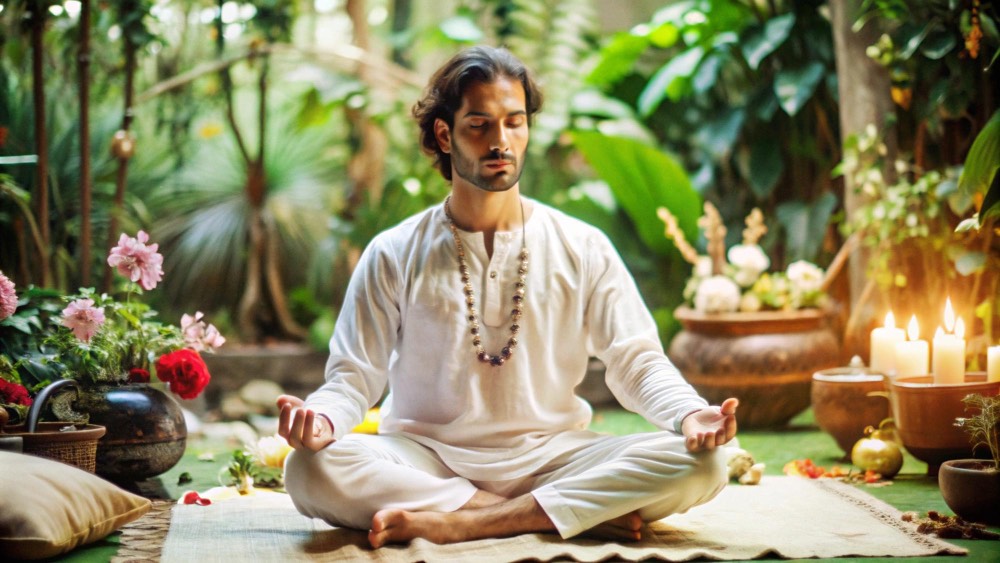

Confused About Meditation? Here’s What Actually Works Best

Many people start meditation with the hope of finding calmness, focus, or clarity. But with so many different techniques available, it quickly becomes confusing to understand which one actually works. Some people try multiple methods but still feel like they are not getting real results.
This confusion happens because not all meditation techniques work in the same way. Some help you relax temporarily, while others require effort and discipline. As a result, people often feel that meditation is inconsistent or not effective for them.
The real question is not just which meditation is popular, but which meditation is truly effective in creating long-term change. An effective method should not only calm your mind but also improve your focus, clarity, and stability over time.
Many beginners also struggle because they do not know what to expect. Without clear results, they lose consistency and stop practicing.
People search for the most effective meditation because:
- they want real and lasting results
- they feel confused by too many techniques
- they struggle with consistency
- they want better focus and calmness
- they need a simple and practical method
👉 Effectiveness in meditation is not about doing more—it is about using the right approach.
What “Effective Meditation” Actually Means
Effective meditation is not just about feeling relaxed for a few minutes. True effectiveness means the practice creates lasting changes in how your mind works—not just temporary calmness.
The key elements of effective meditation include:
- improves focus and attention
- reduces unnecessary thinking
- brings mental clarity
- creates emotional stability
- is easy to practice consistently
Many people think meditation is working if they feel relaxed during the session. But real effectiveness shows in daily life—how you think, decide, and respond to situations.
If a method only works while you are practicing but not after, it is not truly effective. The goal is to create a stable and calm mind even outside meditation.
Another important factor is consistency. If a method is too difficult or effortful, it becomes hard to continue. Over time, this reduces its effectiveness.
From a deeper perspective, some people find that when meditation includes a sense of connection—such as devotion to Krishna—the mind becomes more stable and less conflicted.
👉 In simple terms:
Effective meditation is not temporary calm—it is lasting clarity, focus, and balance.
Types of Meditation People Try
When people begin their meditation journey, they usually explore different techniques to find what works best. Each method has its own approach, but not all of them deliver consistent results for everyone.
The most common meditation types include:
- breathing meditation
- mindfulness meditation
- guided meditation
- mantra meditation
Breathing meditation is simple and easy to start. You focus on your breath and try to stay present. However, because it is passive, the mind often drifts back into thoughts.
Mindfulness meditation teaches you to observe your thoughts without reacting. This builds awareness, but it requires effort and practice, which can feel challenging over time.
Guided meditation uses instructions or audio to lead your mind. It is helpful for beginners, but it creates dependency. Without guidance, many people struggle to continue.
Mantra meditation keeps the mind engaged through repetition. Using a mantra like
“Hare Krishna Hare Krishna, Krishna Krishna Hare Hare, Hare Rama Hare Rama, Rama Rama Hare Hare”
can help reduce mental distractions. However, if done with effort, it may feel tiring.
For many, this mantra is not just a technique but also a form of devotion connected to Krishna, adding a deeper sense of connection.
👉 Each method has benefits, but none of them fully balance ease, focus, and long-term consistency.
Core Problem: Why Most Meditation Is Not Effective
Most meditation methods are not ineffective because meditation itself doesn’t work—but because the approach is not balanced. The mind needs the right level of engagement to become calm and clear.
The main problems include:
- methods are too passive
- methods are too effortful
- lack of a stable mental anchor
- dependency on external guidance
- difficulty maintaining consistency
In passive methods like breathing meditation, the mind is given very little direction. As a result, it continues to wander, and the benefits remain limited.
In effort-based methods like mindfulness or forced repetition, the mind stays active. This can create fatigue instead of calmness, making it harder to sustain the practice.
Guided meditation creates dependency. When the guidance stops, the mind often returns to its old patterns.
Even mantra meditation can become ineffective if it is done with force. Repetition with effort does not reduce mental noise—it can increase internal activity.
👉 The core issue is imbalance:
- too passive → mind keeps wandering
- too active → mind becomes tired
👉 In simple terms:
Meditation becomes ineffective when it either gives the mind no direction or too much effort.
What Makes a Meditation Truly Effective
A meditation becomes truly effective when it creates balance in the mind—not too passive and not too effortful. The mind should be calm, but still aware. It should be guided, but without pressure.
The key factors that make meditation effective include:
- gentle mental anchor
- effortless awareness
- balanced engagement
- independence (no external dependency)
- consistency over time
When these elements are present, the mind naturally settles. You don’t need to force concentration or stop thoughts. Instead, thoughts reduce on their own because the mind is no longer overloaded.
The most important part is effortlessness. If a method feels like work, it becomes hard to continue. If it feels natural, consistency becomes easy—and consistency is what creates real results.
A simple anchor, like a mantra, can help guide the mind without creating pressure. For example, softly repeating
“Hare Krishna Hare Krishna, Krishna Krishna Hare Hare, Hare Rama Hare Rama, Rama Rama Hare Hare”
gives the mind something stable to follow.
For many practitioners, when this is done with a devotional mindset connected to Krishna, the mind experiences less resistance and more inner alignment.
👉 In simple terms:
Effective meditation is about balance, effortlessness, and consistency—not control.
Which Meditation Is Most Effective
The most effective meditation is one that keeps the mind calm, clear, and gently engaged without effort or dependency. Among all methods, Transcendental Meditation stands out because it combines simplicity, balance, and consistency.
The key advantages include:
- reduces mental noise naturally
- does not require forceful concentration
- does not depend on external guidance
- easy to practice daily
- creates long-term mental stability
Unlike breathing meditation, it does not leave the mind without direction. Unlike guided meditation, it does not rely on instructions. And unlike effort-based practices, it does not create strain.
Instead, it uses a mantra in a natural and effortless way. The sound acts as a soft anchor, allowing the mind to settle without pressure. This creates a balanced state where awareness remains, but mental activity reduces.
You can use a simple mantra or a traditional one like
“Hare Krishna Hare Krishna, Krishna Krishna Hare Hare, Hare Rama Hare Rama, Rama Rama Hare Hare”
and let it flow gently in your mind.
Over time, this approach becomes highly effective because it is easy to continue and does not create resistance.
For many, this practice also deepens into devotion toward Krishna, which naturally reduces inner conflict and increases peace.
👉 In simple terms:
The most effective meditation is one that works effortlessly and consistently over time.
Simple Way to Start This Meditation
Follow these simple steps:
- sit comfortably in a quiet place
- close your eyes gently
- repeat a mantra silently
- do not force concentration
- return to the mantra when distracted
Sit in a relaxed position where your body feels comfortable and stable. You don’t need any special posture—just ensure you can sit without strain. Close your eyes and allow your body to settle naturally.
Now begin repeating a mantra softly in your mind. You can use a traditional mantra such as
“Hare Krishna Hare Krishna, Krishna Krishna Hare Hare, Hare Rama Hare Rama, Rama Rama Hare Hare.”
Let the repetition flow naturally instead of trying to control it.
You are not focusing hard—you are simply allowing your mind to follow the sound. The mantra gives your mind a gentle anchor, helping it stay steady without effort.
If thoughts come, do not resist them. This is completely normal. Just bring your attention back to the mantra gently. This returning process helps your mind become more stable over time.
Practice for about 10–20 minutes daily. Consistency matters more than perfection. Over time, your mind becomes calmer, clearer, and more stable.
👉 In simple terms:
You are not controlling your mind—you are guiding it gently using a mantra.
Benefits of Effective Meditation
When meditation is practiced in the right way, it creates noticeable changes in how your mind functions. Instead of feeling restless or scattered, your thoughts become more organized and stable.
The key benefits include:
- improved focus and concentration
- reduced unnecessary thinking
- better mental clarity
- emotional stability
- long-term calmness
As you continue practicing, the mind becomes less reactive. You no longer get carried away by every thought or emotion. Instead, you gain more control and awareness.
Using a gentle anchor like a mantra—such as
“Hare Krishna Hare Krishna, Krishna Krishna Hare Hare, Hare Rama Hare Rama, Rama Rama Hare Hare”—
helps your mind return to a calm state whenever it becomes distracted.
Over time, this builds a natural sense of clarity and peace. For many, this practice also deepens into a sense of connection with Krishna, which brings both mental and emotional balance.
👉 In simple terms:
Effective meditation improves your mind by making it calm, clear, and stable.
Which One Should You Choose?
Choose based on your goal:
- want simple calmness → breathing meditation
- want awareness training → mindfulness meditation
- want easy start → guided meditation
- want better focus → mantra meditation
- want most effective long-term results → Transcendental Meditation
If your goal is just relaxation, simple methods like breathing or guided meditation can help in the short term. They are easy to start but may not create lasting results.
If you want to build awareness and discipline, mindfulness can be useful. However, it requires effort and consistency, which can be difficult to maintain.
Mantra meditation gives your mind a clear anchor. Using a mantra like
“Hare Krishna Hare Krishna, Krishna Krishna Hare Hare, Hare Rama Hare Rama, Rama Rama Hare Hare”
can help reduce distractions and improve focus.
However, for long-term effectiveness, a balanced and effortless approach works best. Transcendental Meditation allows the mind to settle naturally without effort or dependency, making it easier to practice daily.
👉 In simple terms:
Short-term relief → breathing or guided
Better focus → mantra
Most effective long-term → balanced meditation
Frequently Asked Questions (FAQ)
1. Which meditation is most effective for beginners?
- guided or mantra meditation
Guided meditation is easiest to start because it provides direction. Mantra meditation is also effective because it gives the mind a clear anchor.
2. Is mantra meditation the most effective?
- effective when done naturally
Mantra meditation can be very effective because it keeps the mind engaged. Repeating a mantra like
“Hare Krishna Hare Krishna, Krishna Krishna Hare Hare, Hare Rama Hare Rama, Rama Rama Hare Hare”
helps reduce distractions and improve focus.
3. Why do some meditation techniques not work for me?
- imbalance in method
Some methods are too passive, while others require too much effort. This imbalance makes them difficult to sustain and less effective over time.
4. How long does it take to see results from meditation?
- depends on consistency
Most people begin to notice benefits within a few weeks, but long-term results come with regular practice.
5. Can meditation completely stop thoughts?
- no, but it reduces them
Meditation does not eliminate thoughts, but it reduces mental noise and helps you manage them better.
Conclusion – What Truly Works
The most effective meditation is not about forcing your mind to become silent. It is about creating the right conditions where the mind can settle naturally.
Most techniques fail because they are either too passive or too effortful. This imbalance prevents long-term results and consistency.
A balanced approach works best. When the mind is gently guided, it becomes calm, clear, and stable without effort. Using a mantra like
“Hare Krishna Hare Krishna, Krishna Krishna Hare Hare, Hare Rama Hare Rama, Rama Rama Hare Hare”
helps bring your attention back naturally.
For many, this practice also deepens into a connection with Krishna, which brings not just calmness but inner alignment.
👉 Final takeaway:
The most effective meditation is one that is effortless, balanced, and consistent.
With regular practice, your mind becomes clearer, your focus improves, and your overall mental state becomes more stable.