
Heartfulness Meditation: Technique, Benefits & How to Practice at Home

Introduction – Why People Search for Heartfulness Meditation
Many people today are looking for ways to find emotional balance, inner peace, and mental calmness. This is why terms like heartfulness meditation, heart-centered meditation, and benefits of heartfulness meditation are becoming popular. Unlike other techniques that focus only on the mind, heartfulness meditation is often described as a practice that helps you connect with your inner feelings. It is commonly recommended for reducing stress and developing a sense of calm from within. However, many beginners are unsure about how to practice it correctly and whether it is easy to follow. Understanding the method clearly helps you decide if it is the right approach for your meditation journey.
- focuses on emotional and inner awareness
- helps reduce stress and anxiety
- promotes inner calmness
- centers attention on the heart
- often recommended for beginners
- requires understanding of the technique
What Is Heartfulness Meditation?
Heartfulness meditation is a practice that focuses on bringing attention to the heart rather than the mind. The idea behind this method is that inner peace and emotional balance can be experienced by connecting with the heart. Instead of concentrating on thoughts or breath, you gently place your awareness in the heart area and allow the mind to settle naturally. In many teachings, this practice also involves imagining a subtle light within the heart, which represents calmness and inner clarity.
The method is often described as simple and gentle because it does not require strong effort or control. However, it can feel abstract for beginners because it depends on internal awareness and imagination rather than a clear external focus. Maintaining attention on the heart can take time and practice, especially if the mind is very active.
- focuses attention on the heart area
- encourages inner awareness and calmness
- may involve visualizing light in the heart
- does not rely on breath or external objects
- simple in concept but can feel abstract
- requires practice to maintain focus
Heartfulness Meditation Technique Explained
Heartfulness meditation is based on gently shifting attention from the mind to the heart. Instead of focusing on thoughts or breathing, you place your awareness in the heart area and allow your mind to settle there. The technique is designed to be effortless, meaning you do not try to control your thoughts or force concentration. You simply remain aware and allow calmness to develop naturally.
In many approaches, practitioners are guided to feel or imagine a subtle presence of light in the heart. This is not something you need to visualize strongly. It is more about having a soft idea or feeling that there is a source of calmness within. As you keep your attention there, the mind gradually becomes quieter.
However, for beginners, this technique can sometimes feel unclear. Since there is no strong anchor like breath or sound, the mind may wander easily. The process depends on internal awareness, which can take time to develop. Because of this, some people find it difficult to maintain consistent focus during practice.
- gently focus attention on the heart
- allow thoughts to settle naturally
- lightly feel or imagine calmness in the heart
- avoid forcing concentration
- return attention when the mind wanders
- requires patience to develop awareness
How to Do Heartfulness Meditation (Step-by-Step)
Heartfulness meditation is designed to be simple and gentle, but for beginners, it is important to understand each step clearly. Since the practice does not use a strong anchor like breath or sound, it depends on subtle awareness of the heart. This can feel unfamiliar at first, so the key is to approach it without pressure. The goal is not to force concentration, but to rest your attention in the heart area and allow calmness to develop naturally. With regular practice, the mind gradually becomes quieter.
1. Sit in a Comfortable Position
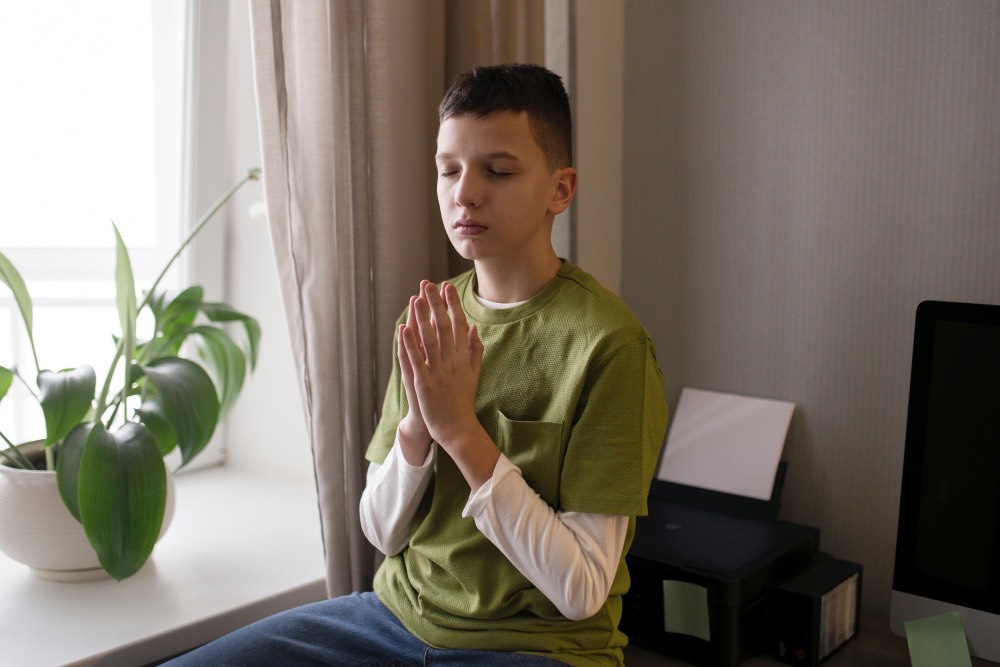
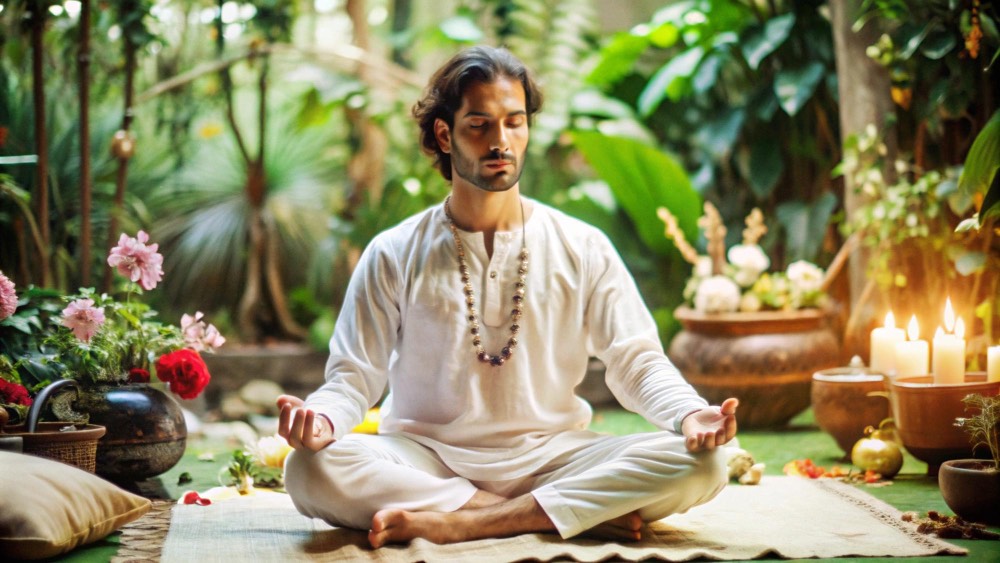
Start by sitting in a relaxed and comfortable posture. You can sit on a chair or on the floor. Keep your back straight but not stiff, allowing your body to remain stable and at ease. Comfort is important because physical discomfort can distract your attention. When your body is relaxed, your mind can settle more easily.
2. Close Your Eyes and Relax
Gently close your eyes and take a moment to relax your body. Let go of any tension in your shoulders, face, and neck. Do not rush into the practice. Give yourself a few moments to become calm. This helps your mind transition from activity to a more relaxed state.
3. Bring Your Attention to Your Heart
Now gently shift your attention to the center of your chest, where the heart is located. Do not try to feel something specific. Simply be aware of that area. This step is about placing attention, not forcing experience. Over time, this awareness becomes more natural.
4. Gently Feel or Imagine Light in the Heart
You may lightly feel or imagine that there is a soft light or calmness in your heart. This is not a strong visualization. It is more like a gentle idea or feeling. The purpose is to give your mind a direction without forcing it. This step can feel abstract at first, which is normal.
5. Stay with the Awareness
Try to keep your attention in the heart area. Do not try to control your thoughts. Let them come and go naturally. Your role is simply to remain aware of the heart. This relaxed awareness helps the mind settle gradually.
6. Handle Distractions Naturally
Your mind will wander—this is completely normal. When you notice this, gently bring your attention back to the heart. Do not get frustrated or try to stop thoughts. The practice is in returning your attention calmly.
7. Continue for a Few Minutes Daily
Practice for 10–20 minutes daily. In the beginning, even short sessions are enough. Consistency is more important than duration. Over time, your ability to stay aware will improve.
Key Understanding
Heartfulness meditation is not about strong concentration or forcing results. It is about gently resting your awareness in the heart. However, because it depends on subtle awareness and imagination, beginners may find it difficult to maintain focus consistently.
Benefits of Heartfulness Meditation
Heartfulness meditation is often practiced to develop emotional calmness and inner balance. By focusing on the heart, the practice aims to reduce mental stress and create a sense of peace from within. Many people report feeling more relaxed and less reactive to daily situations over time. It can also help improve awareness of emotions and promote a more balanced state of mind. Since the approach is gentle, it can be practiced regularly without physical strain. However, the results usually develop gradually with consistent practice rather than immediately.
- helps reduce stress and anxiety
- promotes inner calmness
- improves emotional balance
- increases self-awareness
- supports mental relaxation
- creates a sense of inner peace
Challenges & Limitations of Heartfulness Meditation
Although heartfulness meditation is simple in idea, many beginners find it difficult to practice consistently. The main challenge is that the technique depends on subtle internal awareness rather than a clear and active point of focus. Since you are asked to focus on the heart and gently feel or imagine calmness, the mind may not have something strong to hold onto. This can make it easy for thoughts to take over.
Another limitation is the abstract nature of the practice. For some people, imagining light or feeling awareness in the heart can feel unclear or unnatural. Without a clear reference point, the experience may vary from day to day, making it harder to stay consistent.
Because of this, beginners often face:
- difficulty maintaining attention
- frequent mind wandering
- confusion about whether they are doing it correctly
- inconsistent meditation experience
- reliance on imagination
- slow progress in the beginning
This does not mean the practice is ineffective, but it does mean it may require more patience and understanding to follow properly.
Why Heart-Based Focus Can Be Difficult
Focusing on the heart may sound simple, but for many beginners, it can feel unclear and difficult to maintain. The main reason is that the heart is not something we usually observe in daily life. Unlike the breath, which has a physical sensation, or a mantra, which has sound, the heart-based focus depends on subtle awareness or imagination. This makes it harder for the mind to stay engaged.
When you try to focus on the heart, you may not feel anything specific. This can create doubt about whether you are doing the practice correctly. Without a clear anchor, the mind may quickly drift into thoughts, making it difficult to stay consistent. Over time, this can lead to frustration or loss of interest.
Another challenge is that the method relies on internal feeling rather than active engagement. The mind is naturally active and prefers something to follow. When there is no strong point of focus, it may resist the practice or become distracted.
Because of this, beginners often experience:
- lack of clear focus
- dependence on imagination
- frequent mind wandering
- uncertainty about the practice
- difficulty staying consistent
This is why heart-based meditation can feel more abstract compared to methods that provide a clear point of attention.
Why Mantra-Based Meditation Is Easier
Mantra-based meditation is often easier for beginners because it gives the mind a clear and consistent point of focus. Instead of relying on subtle awareness or imagination, it uses sound as a simple anchor. When you repeat a mantra, your attention naturally follows it, making it easier to stay engaged. This reduces the chances of the mind wandering frequently.
The mind is naturally active and prefers something to do rather than something to observe. In heartfulness meditation, the focus can feel abstract, but in mantra meditation, the repetition creates a steady rhythm. This rhythm helps calm the mind without forcing concentration. You do not need to imagine anything or maintain a specific feeling—just repeat and hear the sound.
Another advantage is consistency. Since the method is simple and repeatable, it becomes easier to practice daily. You can follow the same process every time without confusion. This makes it more practical, especially for beginners who are still learning how to meditate.
Because of this, many people find mantra meditation more effective:
- provides a clear focus for the mind
- reduces distraction more easily
- does not depend on imagination
- simple and repeatable method
- easier to practice consistently
Over time, this approach helps the mind settle naturally and makes meditation feel more comfortable and sustainable.
Simple Mantra Meditation You Can Start Today
If you are looking for a method that is simple, practical, and easy to follow, mantra meditation is a great alternative. Instead of trying to focus on subtle feelings in the heart, you give your mind a clear and steady point of attention through sound. This makes it easier to stay engaged and reduces distraction naturally. The practice does not require any special setup, and it can be done anywhere. Over time, it helps the mind become calmer and more stable without forcing concentration.
You can use the following mantra:
Hare Krishna Hare Krishna
Krishna Krishna Hare Hare
Hare Rama Hare Rama
Rama Rama Hare Hare
Sit comfortably, close your eyes, and begin repeating the mantra softly in your mind. Let the words flow naturally without rushing. As you repeat, try to hear each word clearly. If your mind wanders, gently bring it back to the mantra without frustration. Continue this for a few minutes and gradually increase your practice time.
With regular practice, this method becomes natural and helps reduce overthinking while improving focus and inner calmness.
Frequently Asked Questions (FAQ)
1. What is heartfulness meditation?
Heartfulness meditation is a practice that focuses on the heart rather than the mind. It involves placing your attention on the heart and gently allowing thoughts to settle.
2. How to do heartfulness meditation?
Sit comfortably, close your eyes, and bring your attention to your heart. You may gently feel or imagine calmness or light in the heart while allowing your mind to relax naturally.
3. What is the heartfulness meditation technique?
The technique involves focusing on the heart, maintaining gentle awareness, and allowing thoughts to come and go without control. It is based on inner awareness rather than active concentration.
4. What are the benefits of heartfulness meditation?
Heartfulness meditation can help reduce stress, improve emotional balance, increase inner calmness, and promote overall mental well-being.
5. Why is heartfulness meditation difficult for beginners?
Because it relies on subtle awareness and imagination, beginners may find it hard to maintain focus. The lack of a clear anchor can lead to frequent distractions.
6. How long should I practice heartfulness meditation daily?
Beginners can start with 10–20 minutes daily and gradually increase the duration as they become more comfortable with the practice.
7. Is there an easier alternative to heartfulness meditation?
Yes, mantra-based meditation is often easier because it gives the mind a clear point of focus through repetition, making it simpler to stay engaged.
Conclusion – Choosing the Right Meditation Method
Heartfulness meditation is a gentle practice that focuses on inner awareness and emotional calmness. It can help reduce stress and bring a sense of peace over time. However, because it depends on subtle awareness and imagination, many beginners may find it difficult to maintain focus consistently. The experience can feel unclear, and progress may vary from session to session.
On the other hand, mantra-based meditation offers a more clear, practical, and structured approach. By repeating a mantra, the mind has a steady point of focus, which reduces distraction more naturally. It does not rely on imagination or internal visualization, making it easier to follow and practice daily.
If your goal is to build a meditation habit that is simple, consistent, and effective, starting with a mantra-based method can be a better option. It helps the mind settle naturally while also improving focus and inner balance.
- heartfulness → subtle and awareness-based
- mantra meditation → clear and structured
- heartfulness → depends on imagination
- mantra meditation → simple repetition
- heartfulness → may feel abstract
- mantra meditation → easy to follow daily
Choosing the right method depends on your comfort and consistency. Start with a method that feels natural, practice regularly, and allow the benefits to develop gradually over time.