
Anapanasati Meditation: Steps, Breathing Technique, Benefits & Posture Guide

Introduction – Why People Search for Anapanasati Meditation
Many people today are looking for simple ways to calm their mind and reduce stress. This is why terms like anapanasati meditation, breathing meditation, and how to practice anapanasati meditation are becoming popular. When the mind is constantly active, focusing on the breath is often suggested as a natural way to relax. Anapanasati meditation is known for helping people become more aware of their breathing and present moment. It is commonly recommended for beginners because it does not require complex techniques. However, many people are also curious about how to practice it correctly and whether it is easy to maintain. Understanding the method clearly helps avoid confusion and improves the overall experience.
- focuses on awareness of breathing
- helps calm the mind naturally
- reduces stress and overthinking
- improves present-moment awareness
- commonly recommended for beginners
- requires proper understanding to practice correctly
What Is Anapanasati Meditation?
Anapanasati meditation is a traditional practice that focuses on awareness of breathing. The word “anapanasati” comes from ancient teachings and refers to observing the natural process of inhalation and exhalation. Instead of controlling the breath, the practice involves simply noticing how the breath flows in and out of the body. This helps bring the mind into the present moment and reduces unnecessary thinking. Unlike techniques that use sound or visualization, this method relies entirely on breath awareness. Because of this, it is often seen as a simple and natural form of meditation. However, maintaining attention on the breath can require patience and consistency over time.
- based on awareness of inhaling and exhaling
- does not involve controlling the breath
- focuses on present-moment attention
- reduces mental distraction gradually
- simple in method but requires practice
- relies on steady awareness of breathing
Anapanasati Meditation Breathing Explained
In anapanasati meditation, breathing is the central point of focus. The practice does not require you to change or control your breath in any way. Instead, you simply observe it as it naturally happens. This means noticing how the air enters and leaves your body, the rhythm of your breathing, and any subtle sensations that come with it. By doing this, the mind slowly shifts away from constant thinking and becomes more aware of the present moment. The simplicity of breathing makes it an accessible starting point for meditation.
However, many beginners find this challenging. Since breathing is a passive process, the mind can easily lose focus and start wandering. Thoughts may continue in the background, making it harder to stay attentive. This is why maintaining awareness on the breath requires patience and repeated effort. Over time, with consistent practice, the mind becomes more familiar with this process and starts settling more naturally.
- observe the breath without controlling it
- notice inhalation and exhalation
- focus on natural breathing rhythm
- bring attention back when the mind wanders
- requires patience and consistency
- helps reduce mental activity gradually
How to Practice Anapanasati Meditation (Step-by-Step)
Anapanasati meditation may look simple, but the real practice lies in maintaining steady awareness on the breath. Unlike other techniques that give the mind something active to follow, this method depends on observation. Because of this, beginners often feel that their mind keeps wandering. This is normal. The goal is not to control the mind but to gently guide it back to the breath again and again. When practiced with patience, the mind gradually becomes calmer and more stable.
1. Sit in a Comfortable and Stable Position
Start by choosing a quiet place where you can sit without disturbance. Sit either on a chair or on the floor, keeping your back straight but not stiff. Your body should feel relaxed and stable at the same time. If your posture is uncomfortable, your attention will keep shifting. A balanced posture helps you stay present without distraction.
2. Close Your Eyes and Settle Your Mind
Gently close your eyes and take a moment to relax. Do not rush into the practice. Let your body settle and allow your mind to slow down naturally. You may notice thoughts from your day still moving in your mind. This is normal. Give yourself a few moments to become calm before focusing on your breath.
3. Bring Your Attention to Your Breath
Now shift your attention to your breathing. Notice how the breath enters and leaves your body. You can observe the sensation at your nose, chest, or abdomen—wherever it feels most natural. The key is not where you focus, but that you stay aware of the breath.
4. Observe the Natural Flow of Breathing
Allow your breathing to remain completely natural. Do not try to control its speed or depth. Simply watch it as it happens. Notice whether the breath is long or short, deep or shallow. This observation helps the mind stay connected to the present moment.
5. Maintain Gentle Awareness
Try to stay aware of each inhale and exhale continuously. This is where most beginners face difficulty. The mind may stay focused for a few seconds and then drift away. Instead of forcing concentration, keep your awareness soft and relaxed. Meditation works better with gentle attention rather than effort.
6. Handle Distractions Calmly
Thoughts will come—this is part of the process. You may start thinking about work, memories, or random ideas. Do not try to stop these thoughts or feel frustrated. Simply notice that your mind has wandered and bring your attention back to the breath. This returning is the actual practice.
7. Continue the Practice Consistently
Stay with the breath for a few minutes at a time. In the beginning, even short moments of awareness are enough. Gradually, your ability to stay focused will improve. Regular practice is more important than long sessions. Even 10–20 minutes daily can bring noticeable changes over time.
Key Understanding
Anapanasati meditation is not about achieving perfect focus or stopping thoughts completely. It is about training the mind to return to the present moment through breathing. With patience and consistency, the mind becomes less restless and more stable. However, since the method is passive, it may feel challenging for beginners to maintain attention continuously.
In the next section, we will explore the 16 steps of anapanasati meditation in a simplified way.
Anapanasati Meditation 16 Steps (Simplified)
Anapanasati meditation is traditionally explained through 16 steps, which are grouped into four stages. These stages guide the practitioner from simple breath awareness to deeper mental observation. While the full structure can seem complex, it becomes easier to understand when broken down into simple levels. Beginners do not need to master all 16 steps immediately. The practice develops gradually, starting with basic awareness of breathing and moving toward deeper understanding of the mind.
1. Awareness of the Body (First Stage)
The first stage focuses on becoming aware of the breath as a physical process. You observe how the breath enters and leaves the body. Over time, you begin to notice the length and rhythm of each breath. This stage helps you build basic concentration and connection with the present moment.
2. Awareness of Feelings (Second Stage)
As your awareness improves, you begin to notice how the body feels during breathing. This includes sensations of calmness, relaxation, or subtle changes in comfort. The breath starts to feel smoother, and the body becomes more relaxed. This stage helps deepen the sense of ease during meditation.
3. Awareness of the Mind (Third Stage)
In this stage, attention shifts from the body to the mind itself. You begin to observe your thoughts and mental state. You may notice whether the mind is restless, calm, distracted, or focused. Instead of reacting, you simply observe these changes. This helps you understand how the mind behaves.
4. Awareness of Mental Processes (Fourth Stage)
The final stage involves deeper awareness of how thoughts and mental patterns arise and pass. You begin to see the temporary nature of thoughts and emotions. This stage develops insight and helps reduce attachment to constant thinking. The mind becomes more stable and clear over time.
Key Understanding
The 16 steps are not separate techniques but a gradual progression of awareness. You start with simple breathing and slowly move toward deeper observation of the mind. For beginners, it is enough to focus on the first stage—awareness of breath. The deeper stages develop naturally with consistent practice.
In the next section, we will understand the correct posture for anapanasati meditation.
Anapanasati Meditation Posture
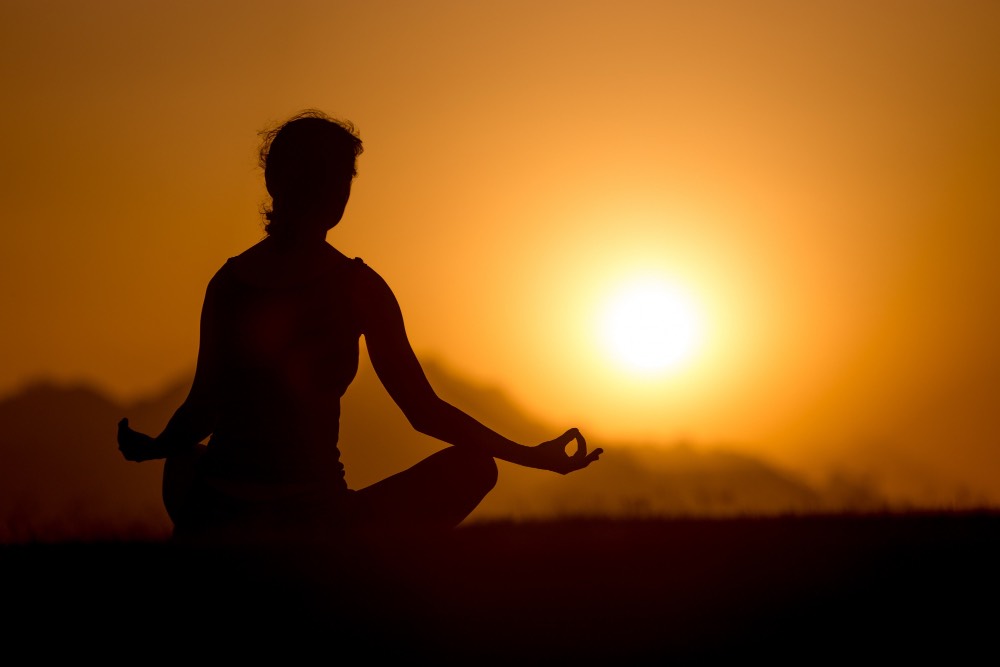
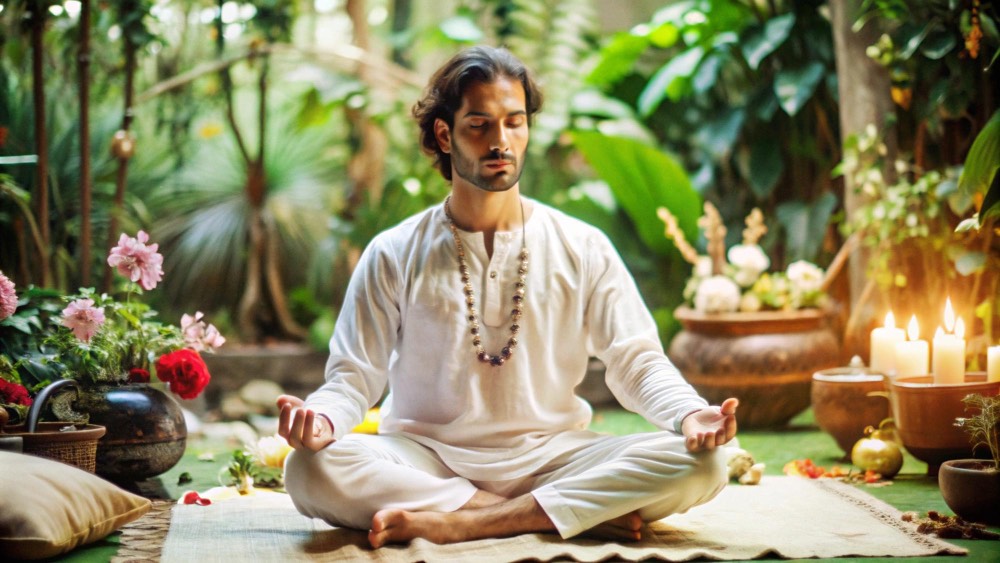
Posture plays an important role in anapanasati meditation because it supports steady breathing and stable attention. The goal is not to sit in a strict or uncomfortable position, but to maintain a posture that allows the body to stay relaxed while remaining alert. If the body is too stiff, it creates tension. If it is too relaxed, you may feel sleepy or lose focus. Finding a natural balance is key.
You can sit on the floor or on a chair, depending on what feels comfortable. Keep your back straight but not rigid, allowing your body to stay upright without strain. Your hands can rest gently on your lap, and your shoulders should remain relaxed. The head should be aligned with the spine so that breathing remains natural and unrestricted.
It is also important to avoid unnecessary movement during meditation. A stable posture helps the mind stay focused on the breath without distraction. At the same time, comfort should not be ignored. If your body feels uncomfortable, your attention will keep shifting away from the breath.
- sit with a straight but relaxed spine
- keep your body stable and comfortable
- rest your hands naturally on your lap
- relax your shoulders and face
- keep your head aligned with your spine
- avoid unnecessary movement
In the next section, we will explore the benefits of anapanasati meditation.
Benefits of Anapanasati Meditation
Anapanasati meditation is known for helping the mind become calm, steady, and more aware. By focusing on the breath, the mind gradually moves away from constant thinking and distraction. Over time, this can improve concentration and create a sense of mental clarity. Many people also experience reduced stress as the body begins to relax along with the mind. Since the practice is simple and natural, it can be followed regularly without needing complex techniques. However, the benefits usually appear gradually with consistent practice rather than instantly.
- improves concentration and focus
- reduces stress and anxiety
- increases awareness of the present moment
- helps calm mental activity
- supports emotional balance
- improves overall mental clarity
In the next section, we will understand the challenges and limitations of anapanasati meditation.
Challenges & Limitations of Anapanasati Meditation
Although anapanasati meditation is simple in theory, many beginners find it difficult to maintain in practice. The main challenge comes from the passive nature of the technique. Since you are only observing the breath, the mind does not have an active point to follow. This makes it easy for thoughts to take over. As a result, attention keeps shifting away from the breath, especially in the beginning.
Another limitation is that progress can feel slow. Because the method relies on awareness rather than engagement, it requires patience and consistency. Many people expect quick results, but when the mind continues to wander, they may feel discouraged. This can make it harder to stay regular with the practice.
Additionally, sitting and observing the breath for long periods may feel monotonous for some people. Without strong engagement, the mind may become restless or even sleepy. This makes it challenging to maintain focus, especially for beginners who are not used to meditation.
- mind wanders easily due to passive focus
- requires patience and long-term consistency
- progress may feel slow in the beginning
- can feel monotonous or boring
- difficult for beginners to maintain attention
- may lead to restlessness or sleepiness
In the next section, we will understand why breath-based meditation often feels difficult for beginners.
Why Breath Meditation Feels Difficult for Beginners
Many beginners assume that focusing on the breath will be easy because breathing is natural. However, in practice, it often feels more difficult than expected. The main reason is that breath meditation is passive. You are not actively doing something—you are only observing. For an untrained mind, this lack of engagement makes it easy to lose focus.
When you try to observe your breath, your mind may stay there for a few seconds and then drift into thoughts. You may start thinking about your day, plans, or random ideas without even realizing it. By the time you notice, your attention has already moved away. This repeated distraction can make beginners feel like they are not doing meditation correctly.
Another reason is that the mind is used to constant stimulation. In daily life, it is always engaged with something—phones, conversations, tasks, or entertainment. When you suddenly ask it to simply observe the breath, it may resist and become restless.
Because of this, beginners often experience:
- frequent mind wandering
- difficulty maintaining focus
- frustration with distraction
- lack of engagement
- feeling that meditation is not working
This is why many people find breath-based meditation harder to sustain in the beginning.
In the next section, we will explore why mantra-based meditation is often easier and more effective for beginners.
Why Mantra-Based Meditation Is Easier
Mantra-based meditation is often easier for beginners because it gives the mind a clear and active point of focus. Unlike breath meditation, where you only observe, mantra meditation involves repeating a sound. This repetition naturally engages the mind and makes it easier to stay focused. Instead of the mind drifting into random thoughts, it has something steady to follow.
The mind is naturally active and prefers engagement over stillness. When you repeat a mantra, your attention stays connected to the sound. This reduces distraction and makes the practice feel smoother. You do not need to control your breathing or maintain strong awareness. The repetition itself helps guide your attention.
Another advantage is that it feels less effortful. You are not trying to “watch” something constantly. Instead, you are gently repeating and hearing the mantra, which creates a natural rhythm. This makes it easier to practice regularly without feeling frustrated.
Because of this, many beginners find mantra meditation more comfortable:
- gives the mind a clear focus
- reduces wandering thoughts
- easier to stay consistent
- requires less effort than observation
- feels more engaging and natural
Over time, this method helps the mind settle more quickly and makes meditation easier to continue.
This is why many beginners prefer transcendental meditation, where the mind is guided through a simple mantra instead of passive observation.
In the next section, we will look at a simple mantra meditation you can start practicing today.
Simple Mantra Meditation You Can Start Today
If you are looking for a method that is easy, practical, and effective, mantra meditation is a great way to begin. Instead of trying to observe the breath continuously, you give your mind a simple sound to follow. This makes it easier to stay focused and reduces distraction naturally. The practice does not require any special setup, and you can do it anywhere. Over time, it helps the mind become calmer and more stable without forcing concentration.
You can use the following mantra:
Hare Krishna Hare Krishna
Krishna Krishna Hare Hare
Hare Rama Hare Rama
Rama Rama Hare Hare
Sit comfortably, close your eyes, and begin repeating the mantra softly in your mind. Let the words flow naturally without rushing. As you repeat, try to hear each word clearly. If your mind wanders, gently bring it back to the mantra without frustration. Continue this for a few minutes and gradually increase your practice time.
With regular practice, this method becomes natural and helps reduce overthinking while improving focus and calmness.
This method is similar to transcendental meditation, where repeating a mantra helps the mind settle naturally.
In the final section, we will conclude and help you choose the right meditation method for your practice.
Frequently Asked Questions (FAQ)
1. What is anapanasati meditation?
Anapanasati meditation is a breathing-based practice where you focus on observing your natural inhale and exhale to develop awareness and calmness.
2. How to practice anapanasati meditation?
Sit comfortably, close your eyes, and observe your natural breathing. Do not control the breath—just notice it and bring your attention back whenever the mind wanders.
3. What are the 16 steps of anapanasati meditation?
The 16 steps are grouped into four stages: awareness of the body, feelings, mind, and mental processes. They guide the practitioner from basic breathing awareness to deeper mental clarity.
4. What is the correct posture for anapanasati meditation?
Sit with a straight but relaxed spine, keep your body comfortable, and avoid unnecessary movement so you can maintain steady awareness on the breath.
5. What are the benefits of anapanasati meditation?
It helps improve concentration, reduce stress, increase present-moment awareness, and bring mental clarity over time.
Conclusion – Choosing the Right Meditation Method
Anapanasati meditation is a simple and traditional practice that helps develop awareness through breathing. It can improve focus and bring a sense of calmness over time. However, because it depends on passive observation, many beginners find it difficult to maintain attention consistently. The mind may wander frequently, and progress can feel slow in the beginning.
On the other hand, mantra-based meditation offers a more engaging and natural approach. By repeating a mantra, the mind has a clear focus, which reduces distraction more easily. It does not require controlling the breath or maintaining constant observation, making it simpler to practice regularly.
If your goal is to build a meditation habit that is easy, consistent, and effective, starting with a mantra-based method can be more practical. It helps the mind settle naturally while also improving focus and inner balance.
- anapanasati → passive observation of breath
- mantra meditation → active and engaging focus
- anapanasati → requires patience and control
- mantra meditation → easier for beginners
- anapanasati → mind may wander easily
- mantra meditation → reduces distraction naturally
Choosing the right method depends on your comfort and consistency. Start with a simple approach, practice regularly, and allow the benefits to develop gradually over time.