
Transcendental Meditation vs Sahaj Samadhi: Which Is Better for Beginners?
Introduction – Why People Compare These Two Methods
Many people exploring deeper meditation practices often come across Transcendental Meditation (TM) and Sahaj Samadhi meditation. At first glance, both methods seem similar because they use mantras and aim to calm the mind. This often leads to confusion about which one is easier, more effective, and better for long-term practice.
Since both techniques promise inner peace, reduced stress, and improved clarity, beginners naturally want to understand the difference before choosing one. However, the real difference lies not just in the method—but in how the mind experiences the practice.
Some methods feel simple and effortless, while others feel structured and technique-based. This difference directly affects how consistently you can practice and how naturally your mind settles.
- both use mantra-based meditation
- both aim to calm the mind
- methods appear similar at first
- experience of practice is different
- consistency depends on simplicity
- choosing the right method matters
What Is Transcendental Meditation?
Transcendental Meditation (TM) is a mantra-based meditation technique designed to be simple and effortless. The core idea is not to control the mind, but to allow it to settle naturally by gently repeating a mantra.
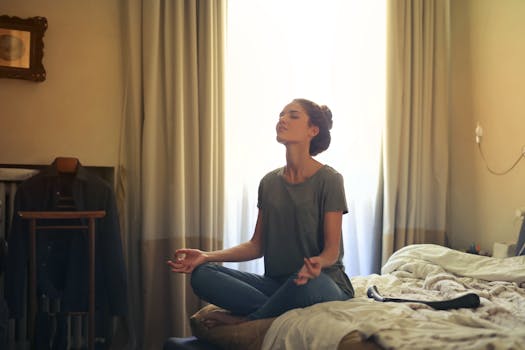
In this practice, you sit comfortably, close your eyes, and repeat a mantra softly in your mind. The mantra acts as a subtle anchor, helping your attention move inward without force. You do not try to concentrate intensely or stop your thoughts. Instead, the mind gradually becomes quieter on its own.
One of the key aspects of Transcendental Meditation is effortlessness. There are no strict steps, visualizations, or physical control involved. When thoughts come, you simply return to the mantra naturally. Over time, this creates a state of deep calmness and clarity.
Because of its simplicity, many people find TM easier to practice regularly, which is essential for long-term benefits.
- uses a mantra as the focus
- does not require strong concentration
- effortless and natural approach
- allows the mind to settle gradually
- easy to practice daily
- supports deep inner calmness
What Is Sahaj Samadhi Meditation?
Sahaj Samadhi meditation is a mantra-based meditation technique taught as part of structured programs, most commonly associated with the Art of Living Foundation. The term “Sahaj” means natural or effortless, and “Samadhi” refers to a deep state of meditation or inner stillness.
In this practice, you are given a mantra and guided on how to use it during meditation. The process involves sitting comfortably, closing your eyes, and repeating the mantra internally. Similar to other mantra-based methods, the aim is to help the mind settle and move toward a quieter state.
However, Sahaj Samadhi is usually taught through a structured learning approach. It often includes specific instructions, guidance from a teacher, and a defined way of practicing. This structure can be helpful for some beginners, as it provides clarity and direction.
At the same time, because it is taught as a technique, some people may feel that it requires following a method rather than allowing the experience to unfold naturally.
- uses a mantra for meditation
- taught through structured programs
- guided approach with instructions
- aims to create deep inner calmness
- may feel technique-based
- requires learning the method properly
Key Differences Between Transcendental Meditation and Sahaj Samadhi
Although both Transcendental Meditation (TM) and Sahaj Samadhi use mantras and aim to calm the mind, the experience of practice can feel quite different. The main difference lies in how the method is applied—whether it feels effortless or guided through a structure.
Approach
Transcendental Meditation follows an effortless approach where the mantra is repeated naturally without strict control.
Sahaj Samadhi is taught through a structured method with specific guidance and instructions.
Effort Level
TM is designed to be completely effortless, with no need to control thoughts or concentrate.
Sahaj Samadhi is also described as natural, but the structured learning process may make it feel more technique-based.
Learning Style
TM focuses on simplicity and direct experience of the mantra.
Sahaj Samadhi usually involves learning the method step by step through a guided program.
Mental Experience
In TM, the mind settles gradually without force, making the process feel smooth.
In Sahaj Samadhi, the experience can depend on how the technique is followed and understood.
Flexibility
TM is simple and can be practiced easily once understood.
Sahaj Samadhi may feel more dependent on following the taught structure.
Consistency
TM is often easier to maintain because of its simplicity.
Sahaj Samadhi can vary depending on how comfortable the practitioner is with the method.
How Each Method Works
To understand which method suits you better, it’s important to look at how each one actually works in practice. Even though both use a mantra, the way the mind engages with the practice can feel different.
How Transcendental Meditation Works
In Transcendental Meditation, the process is simple and natural. You sit comfortably, close your eyes, and begin repeating a mantra softly in your mind. The mantra is not used with force or concentration—it is repeated gently.
As you continue, your mind may wander. Instead of trying to control it, you simply return to the mantra without effort. Over time, the repetition creates a natural rhythm, allowing the mind to settle gradually into a calmer state.
The process is based on ease:
- repeat the mantra gently
- do not force concentration
- allow thoughts to come and go
- return to the mantra naturally
- let the mind settle on its own
Because of this effortless approach, the experience often feels smooth and easy to maintain.
How Sahaj Samadhi Meditation Works
In Sahaj Samadhi meditation, the process is also based on mantra repetition, but it is usually practiced with specific instructions learned during training. You sit comfortably, close your eyes, and repeat the given mantra internally.
The difference is that the method is often practiced with an understanding of how to follow the technique correctly. The experience can depend on how well the instructions are applied. Some practitioners may feel more guided, while others may feel they need to follow the process carefully.
The process involves:
- repeating a mantra internally
- following learned instructions
- maintaining awareness as guided
- returning to the mantra when distracted
While the practice aims to be effortless, the structured nature can sometimes make it feel like you are applying a method rather than simply experiencing it.
Benefits of Transcendental Meditation
Transcendental Meditation (TM) is known for helping the mind become calm, clear, and stable without requiring effort. Because the method is simple and natural, the benefits often develop gradually with consistent practice.
One of the main benefits is the reduction of overthinking and mental noise. As the mantra is repeated, the mind slowly moves away from unnecessary thoughts. This creates a sense of clarity and ease, making it easier to handle daily stress.
Another important benefit is deep relaxation. Unlike effort-based techniques, TM allows the body and mind to relax naturally. This can help reduce stress and improve overall mental balance.
TM also supports consistency, which is essential for long-term results. Since the method is easy to practice, many people find it easier to include in their daily routine. Over time, this regular practice leads to deeper awareness and stability.
- reduces overthinking and mental activity
- promotes deep calmness and relaxation
- improves emotional balance
- supports mental clarity
- easy to practice daily
- leads to long-term inner stability
Benefits of Sahaj Samadhi Meditation
Sahaj Samadhi meditation is practiced to develop relaxation, mental clarity, and inner calmness through mantra repetition. Since it is taught in a structured way, many beginners find it helpful to have guidance while learning the practice.
One of the key benefits is mental relaxation. By repeating the mantra, the mind gradually slows down, which can help reduce stress and create a calmer state. Some practitioners also experience improved clarity as the mind becomes less cluttered with thoughts.
Another benefit is guided learning. Because the technique is taught through structured programs, it provides a clear starting point for beginners who prefer step-by-step instruction. This can make it easier to understand how to begin.
However, the experience and benefits may depend on how consistently the method is practiced and how comfortable the practitioner feels with the structured approach.
- promotes relaxation and calmness
- reduces mental stress
- supports mental clarity
- provides guided learning
- helps develop a meditation routine
- encourages structured practice
Challenges & Limitations of Both Methods
While both Transcendental Meditation (TM) and Sahaj Samadhi offer similar goals, the experience of practicing them can come with different challenges. Understanding these helps you choose a method that is easy to follow and sustainable in the long run.
Challenges of Transcendental Meditation
Transcendental Meditation is designed to be simple and effortless, so it has very few practical challenges. However, beginners may initially feel unsure about how to repeat the mantra correctly or may expect quick results.
These are usually temporary and improve with regular practice. Since the method is straightforward, most people find it easier to continue once they understand the process.
- initial confusion about the process
- expectations of instant results
- requires consistency to see benefits
Challenges of Sahaj Samadhi Meditation
Sahaj Samadhi meditation, while also based on mantras, is often taught through a structured approach. This can create some challenges for people who prefer a more natural and flexible experience.
Because the method involves learning and following specific instructions, some practitioners may feel that they need to “do it correctly.” This can make the practice feel technique-driven rather than effortless.
- depends on structured learning
- may feel technique-based
- requires following instructions
- less flexible in approach
- consistency depends on comfort with the method
Which Is Better for Beginners?
For beginners, the most important factor in meditation is not just the technique, but how easy it is to practice consistently. A method may offer benefits, but if it feels complicated or difficult to follow, it becomes harder to continue daily.
Transcendental Meditation is designed to be simple and effortless. You do not need to control your thoughts or follow strict steps. The mantra gives your mind a natural point of focus, making it easier to stay engaged without pressure. Because of this, many beginners find it easier to understand and practice regularly.
Sahaj Samadhi meditation also uses a mantra, but it is usually learned through a structured approach. While this can provide guidance, some beginners may feel that they need to follow the method carefully. This can create a sense of “doing it right,” which may add a bit of mental effort.
Another important factor is consistency. A method that feels simple and natural is more likely to become part of your daily routine. Over time, this consistency leads to better results.
- transcendental → simple and effortless
- sahaj samadhi → structured and guided
- transcendental → easier to practice daily
- sahaj samadhi → depends on following technique
- transcendental → natural experience
- sahaj samadhi → method-based approach
For most beginners, a method that is easy, flexible, and natural tends to be more effective in the long run.
Which Should You Choose?
Choosing between Transcendental Meditation (TM) and Sahaj Samadhi depends on what kind of experience you are looking for in your meditation practice.
If you prefer a guided and structured approach, Sahaj Samadhi meditation can be helpful. It provides clear instructions and a defined method, which some beginners find reassuring when starting out. However, this structure can also make the practice feel technique-driven, especially if you focus too much on doing it correctly.
If your goal is to experience natural calmness, reduce overthinking, and practice meditation without effort, Transcendental Meditation is often a better choice. It allows the mind to settle without control, making the process feel smoother and more comfortable.
Another important factor is long-term sustainability. Meditation works best when it becomes a regular habit. A method that feels simple and natural is easier to continue daily, leading to deeper and more consistent results.
- choose Sahaj Samadhi → for structured learning
- choose Transcendental → for effortless experience
- Sahaj Samadhi → method-based approach
- Transcendental → natural and simple
- Sahaj Samadhi → depends on following steps
- Transcendental → easy to maintain daily
For most people, especially beginners, a method that reduces effort and increases consistency tends to be more effective over time.
Simple Way to Start Transcendental Meditation
If you want a method that is easy to begin and comfortable to practice daily, you can start with a simple mantra-based approach. The goal is not to control your mind, but to give it a gentle point of focus so it can settle naturally.
You can use the following mantra:
Hare Krishna Hare Krishna
Krishna Krishna Hare Hare
Hare Rama Hare Rama
Rama Rama Hare Hare
Sit comfortably, close your eyes, and begin repeating the mantra softly in your mind. Let the repetition be natural and unforced. There is no need to concentrate intensely—just allow the sound to flow gently.
As you continue, your mind may wander. This is normal. Simply bring your attention back to the mantra without frustration. Over time, the repetition creates a steady rhythm that helps the mind become calmer and more stable.
- sit comfortably and relax your body
- repeat the mantra gently
- focus on hearing the sound
- do not force concentration
- return to the mantra when distracted
- practice daily for consistency
With regular practice, this method becomes effortless and helps you experience deeper calmness and clarity without strain.
Conclusion – Simplicity Leads to Deeper Experience
Both Transcendental Meditation and Sahaj Samadhi offer ways to calm the mind and improve inner awareness. While they share similarities, the experience of practicing them can feel different.
Sahaj Samadhi provides a structured and guided approach, which can be helpful for those who prefer clear instructions. However, this structure may sometimes make the practice feel technique-based.
Transcendental Meditation focuses on simplicity and effortlessness. By allowing the mind to settle naturally through mantra repetition, it becomes easier to practice consistently. Over time, this consistency leads to deeper calmness and clarity.
- Sahaj Samadhi → structured and guided
- Transcendental → simple and effortless
- Sahaj Samadhi → technique-based
- Transcendental → natural experience
- Sahaj Samadhi → depends on following method
- Transcendental → easy to maintain daily
If your goal is to experience long-term inner peace without complexity, a simple and natural approach like Transcendental Meditation can be the most practical path forward.
Frequently Asked Questions (FAQ)
1. What is the main difference between Transcendental Meditation and Sahaj Samadhi?
Both use mantras, but Transcendental Meditation is effortless and simple, while Sahaj Samadhi is usually taught through a structured method.
2. Which is better for beginners?
Transcendental Meditation is generally easier for beginners because it does not require strict steps or control.
3. Can I practice both methods?
Yes, but many people prefer one method for consistency and better results.
4. Does Sahaj Samadhi require a teacher?
It is often taught through structured programs, so guidance is usually part of the learning process.
5. How long should I practice Transcendental Meditation daily?
You can start with 10–20 minutes daily. Consistency is more important than duration.