What Are Transcendental Meditation Techniques?
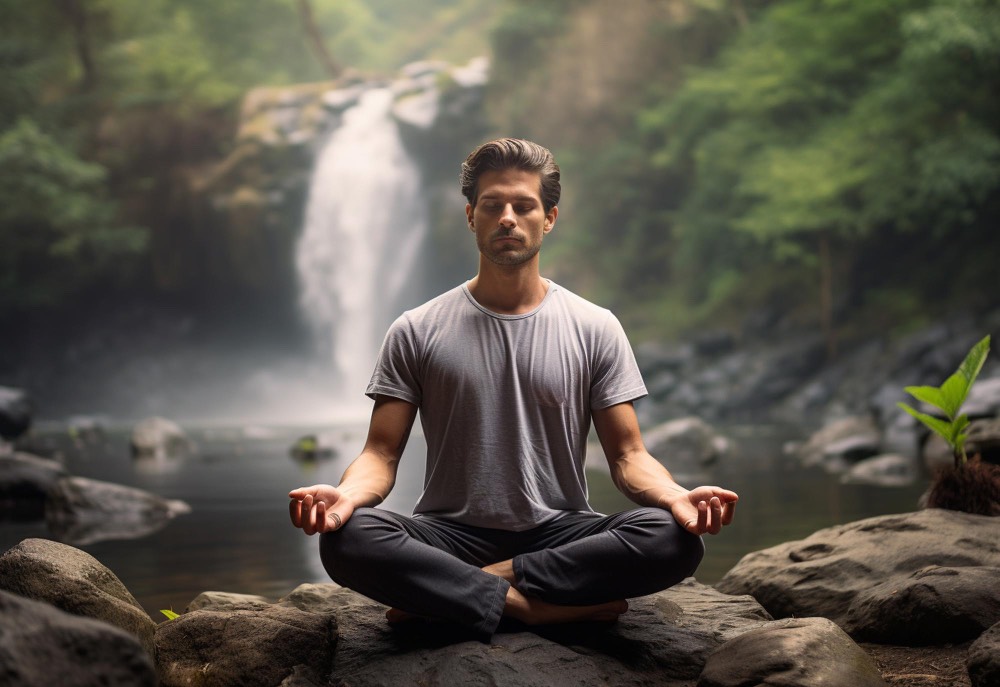
Transcendental meditation techniques are simple, structured methods used to move beyond the restless activity of the mind. The word “transcendental” means going beyond ordinary thought. Instead of controlling or analyzing thoughts, this technique gently shifts attention toward a sacred mantra.
Many people assume transcendental meditation involves complicated breathing patterns or mental concentration exercises. In reality, the core technique is much simpler. It is based on the steady repetition of a spiritually potent sound that gradually absorbs the mind and reduces internal noise.
In mantra-based transcendental meditation, the technique centers on sacred sound. The repetition of the Hare Krishna Maha Mantra allows the mind to settle naturally. Rather than forcing silence, the mantra replaces distracting thoughts with a steady rhythm of spiritual vibration.
The purpose of transcendental meditation techniques is not just relaxation. While calmness is a natural result, the deeper aim is purification of consciousness. Over time, the practice reduces ego-centered thinking and increases clarity, stability, and inner balance.
In the next section, we will break down the core transcendental meditation technique step by step so you can practice it correctly.
The Core Transcendental Meditation Technique (Step-by-Step)
The core of transcendental meditation techniques is simple: sit comfortably, repeat the mantra, and gently return to it whenever the mind wanders. There is no force, no mental strain, and no complicated breathing control. The technique works through steady and natural repetition.
Here is the basic step-by-step method:
1. Sit Comfortably
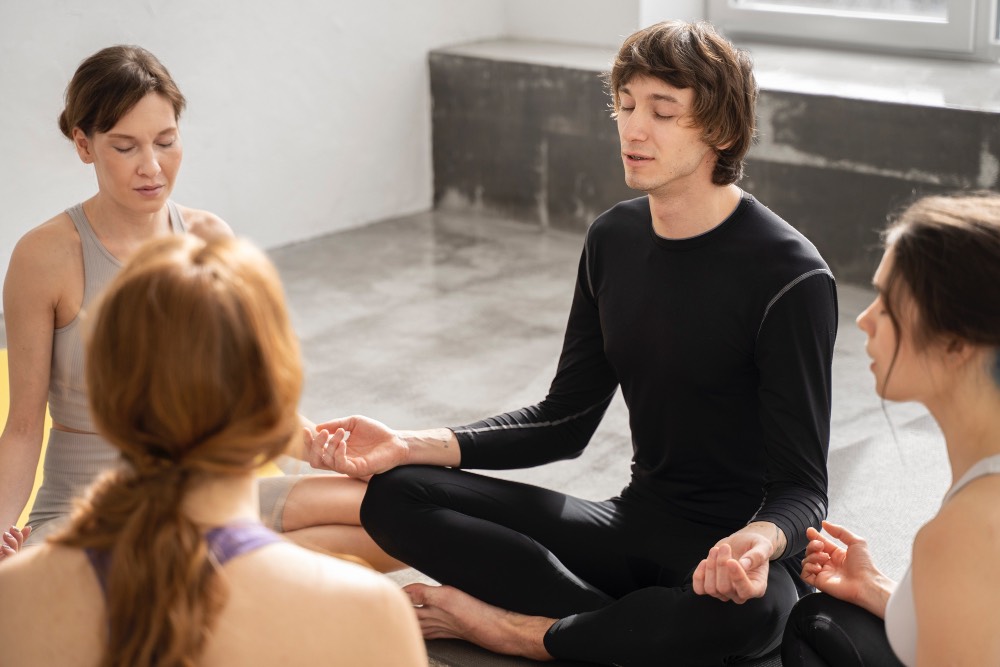
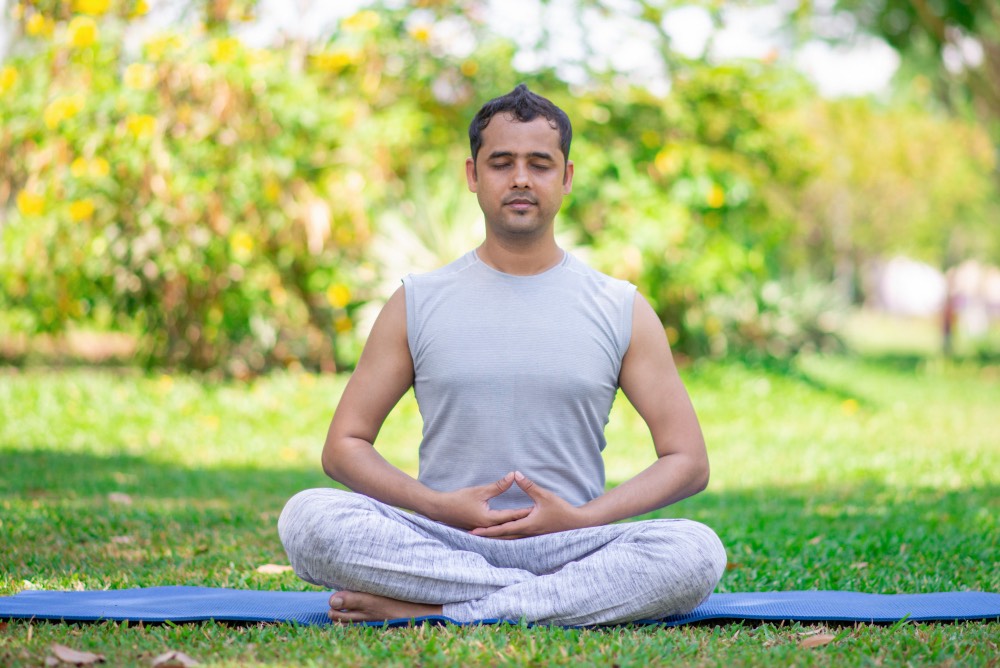
Sit on a chair or on the floor with your back straight but relaxed. Keep your hands resting naturally. Close your eyes gently and allow your body to settle.
2. Begin the Mantra
Softly chant the Hare Krishna Maha Mantra:
Hare Krishna Hare Krishna
Krishna Krishna Hare Hare
Hare Rama Hare Rama
Rama Rama Hare Hare
Chant at a natural pace. Do not rush.
3. Focus on Hearing
The key technique is to hear the sound clearly. Let your attention rest on the vibration of each word. If thoughts arise, do not fight them. Simply bring your attention back to the mantra.
4. Continue for 20 Minutes
A traditional recommendation is about 20 minutes per session, ideally twice a day—morning and evening. Beginners can start with 10 minutes and gradually increase.
5. End Gently
After finishing, sit quietly for a minute before opening your eyes. Allow the calmness to settle.
These transcendental meditation techniques work because repetition gradually absorbs the mind. You are not trying to stop thoughts; you are replacing them with sacred sound. Over time, mental restlessness decreases naturally.
In the next section, we’ll explore the benefits of transcendental meditation techniques and how they affect both mind and consciousness.
Benefits of Transcendental Meditation Techniques
Transcendental meditation techniques are known for producing both immediate calm and long-term transformation. While the method is simple, the effects gradually deepen with regular practice. The more consistently you chant, the more stable the results become.
One of the first noticeable benefits is mental quietness. The steady repetition of the mantra reduces excessive thinking and emotional reactivity. Instead of feeling overwhelmed by thoughts, you begin to experience mental space and clarity.
Over time, emotional balance improves. Situations that once triggered stress or frustration feel more manageable. This happens because the technique reduces identification with temporary thoughts and reactions.
Key benefits include:
- Reduced stress and anxiety
- Improved focus and attention
- Emotional stability
- Greater patience in daily life
- Increased inner clarity
Beyond psychological benefits, transcendental meditation techniques also work at a deeper level. Regular mantra repetition purifies subconscious impressions and weakens ego-centered habits. This leads to greater humility, self-awareness, and inner steadiness.
Unlike techniques that aim only for relaxation, mantra-based transcendental meditation gradually elevates consciousness. Calmness becomes a by-product, while clarity and spiritual insight grow naturally.
In the next section, we’ll clarify a common question: Can transcendental meditation techniques be practiced at night or before sleep?
Night & Sleep Technique Clarified
Many people wonder whether transcendental meditation techniques can be practiced at night or used as a sleep aid. The answer is yes—you can practice in the evening. Chanting before bed can calm the mind and reduce the mental noise accumulated during the day.
However, transcendental meditation is not primarily a sleep technique. Its purpose is conscious transcendence, not drifting into unconscious rest. While better sleep is a common side benefit, the technique itself is meant to be practiced in an alert state.
If you choose to practice at night, keep these points in mind:
- Sit upright rather than lying down
- Avoid chanting when extremely tired
- Maintain attentive repetition
- Finish with a short moment of quiet awareness
Morning practice is traditionally recommended because the mind is fresher and distractions are fewer. Early hours allow deeper focus and stronger impact. Still, consistency matters more than perfect timing. If evening is your only available time, it is better to practice then than skip altogether.
As for lying down, it is generally not advised unless there is a health reason. When lying down, the body signals sleep, which reduces alertness. Sitting posture supports awareness and helps maintain proper focus on the mantra.
In the next section, we’ll address another common confusion: Are transcendental meditation techniques based on breathing exercises, or is the mantra the central element?
Breathing vs Mantra – Clearing the Confusion
A common misunderstanding about transcendental meditation techniques is that they involve special breathing control. Some people assume the technique requires regulating the breath, counting inhalations, or practicing specific pranayama patterns. In reality, mantra-based transcendental meditation does not depend on breathing exercises.
The central element of the technique is the mantra—not the breath. While your breathing may naturally slow down during practice, you do not consciously control it. The body settles on its own as the mind becomes absorbed in sacred sound.
In breath-focused meditation, attention is placed on inhaling and exhaling. In transcendental mantra meditation, attention is placed on hearing the mantra clearly. The shift of focus makes a significant difference. Instead of monitoring the body, you engage with spiritually potent sound.
As you chant the Hare Krishna Maha Mantra, the breath gradually becomes softer and more regular. This happens naturally, without effort. The calmness comes from mental absorption, not from forced breathing patterns.
Understanding this distinction is important. If you try to combine complex breathing control with mantra repetition, it can create unnecessary strain. Keep the technique simple: sit comfortably, chant steadily, and gently return attention to the sound whenever it drifts.
In the next section, we’ll explore advanced transcendental meditation techniques and how practitioners deepen their practice over time.
Advanced Transcendental Meditation Techniques
Once the basic practice becomes steady, many practitioners naturally want to go deeper. Advanced transcendental meditation techniques do not mean secret methods or complicated rituals. Instead, advancement comes from improving quality, consistency, and inner awareness during mantra repetition.
The first level of advancement is increasing attentiveness. Rather than chanting mechanically, you begin to hear each word more clearly and consciously. The mind wanders less frequently, and returning to the mantra becomes easier.
Another advanced step is extending duration gradually. While beginners may start with 10–20 minutes, experienced practitioners may increase their chanting time. The key is not longer sessions alone, but deeper absorption during repetition.
Advanced practice also includes:
- Slowing down the pace slightly to improve clarity
- Chanting with stronger sincerity and intention
- Reducing distractions in daily life
- Practicing at consistent times every day
- Associating with other serious practitioners
Over time, transcendental meditation techniques move from being a practice you “do” to becoming a natural part of your awareness. The mantra continues internally even outside formal sessions. Emotional reactions soften, and stability becomes more consistent.
True advancement is not about mystical experiences. It is about steady inner transformation. As chanting deepens, humility grows and ego-centered thinking reduces naturally.
In the next section, we’ll address an important question: Can you learn transcendental meditation techniques on your own, or is guidance necessary?
Can You Learn Transcendental Meditation Techniques on Your Own?
Yes, you can begin practicing transcendental meditation techniques on your own. The core method—sitting comfortably and repeating the Hare Krishna Maha Mantra with attention—is simple and accessible. You do not need complex preparation or advanced knowledge to start.
Many people hesitate because they assume meditation requires formal certification or initiation before practicing. While structured learning can deepen understanding, it is not a barrier to beginning. If you know the mantra and chant sincerely, you are already applying the essential technique.
Self-practice builds discipline and personal responsibility. You learn to set aside time daily and develop consistency. Even short sessions practiced regularly can gradually stabilize the mind and improve clarity.
However, guidance can improve quality. An experienced teacher can help with:
- Correct pronunciation of the mantra
- Maintaining steady rhythm and pace
- Handling distraction effectively
- Understanding the deeper purpose of chanting
- Avoiding mechanical repetition
Starting alone is possible. Growing deeper often benefits from association and structured support.
In the final section, we’ll conclude by summarizing why transcendental meditation techniques remain powerful precisely because of their simplicity.
Conclusion – The True Power of Transcendental Meditation Techniques
Transcendental meditation techniques are powerful because they are simple. There is no complicated breathing control, no forced concentration, and no mental strain. The method rests on steady repetition of sacred sound and gentle return of attention whenever the mind wanders.
At its core, the technique is straightforward: sit comfortably, chant the Hare Krishna Maha Mantra, hear each word clearly, and remain consistent. Over time, this simple practice reduces mental noise, strengthens emotional balance, and gradually purifies consciousness.
Beginners can start immediately. Advanced practitioners deepen through greater attentiveness and consistency. Night practice, morning practice, shorter sessions, longer sessions—the key factor is sincerity and regular repetition.
The real transformation does not come from complexity. It comes from disciplined simplicity.
If you are ready to experience transcendental meditation techniques in their authentic and complete form, you can begin at home today. And when you are ready to deepen your understanding and refine your practice, guided sessions at our Bengaluru Mantra Meditation Centre can support your journey further.
Start simple. Chant sincerely. Let the technique work naturally.