
Soham Meditation vs Transcendental Meditation: Which Is Better for Beginners?
Introduction – Why People Compare These Two Methods
Many people starting meditation often come across different techniques and feel unsure about which one to choose. Two commonly compared methods are Soham meditation and Transcendental Meditation. Both are known for helping calm the mind and reduce stress, but they work in very different ways.
Soham meditation is based on breathing and awareness, while Transcendental Meditation uses a mantra to guide the mind inward. Because both methods sound simple, beginners often assume they are similar. However, the actual experience of practicing them can feel quite different.
The real challenge is not just choosing a method—but finding one that is easy to practice consistently without frustration.
- both aim to calm the mind
- both involve mantra or sound
- one is breath-based, the other is mantra-based
- beginners often feel confused choosing between them
- consistency is the biggest challenge
- the right method should feel natural and sustainable
What Is Soham Meditation?
Soham meditation is a breath-based mantra meditation that combines natural breathing with mental sound awareness. The word “Soham” comes from Sanskrit, where “So” is linked to inhalation and “Ham” to exhalation. Together, it follows the natural rhythm of your breath.
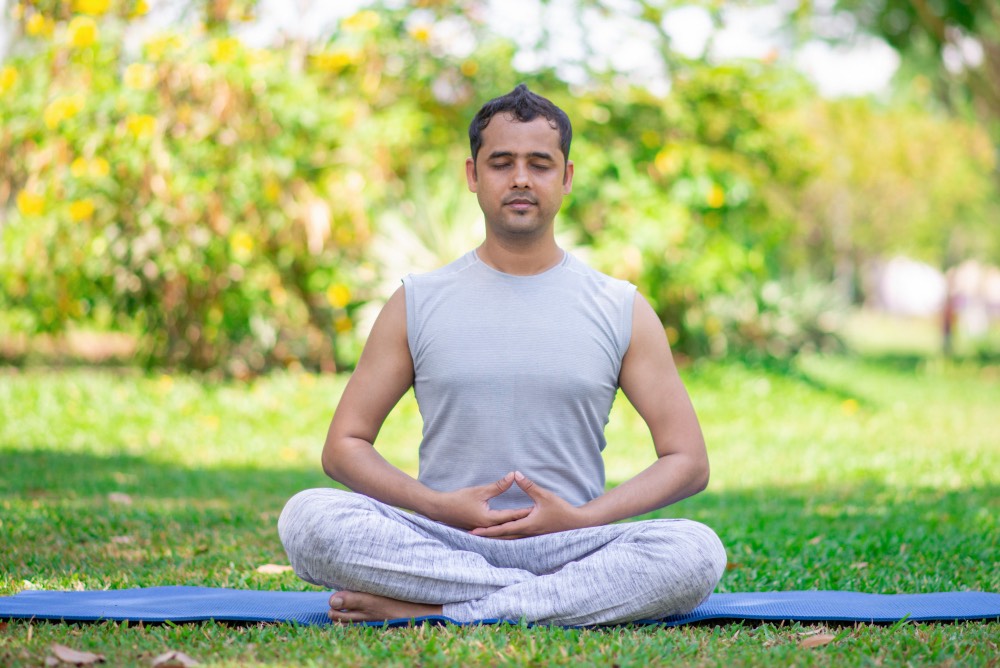
In this practice, you sit comfortably, close your eyes, and observe your breathing. As you inhale, you mentally repeat “So,” and as you exhale, you repeat “Ham.” This creates a continuous flow of awareness connected to your breath.
The method is based on passive observation. You are not trying to control your breath or force concentration. Instead, you simply follow the natural process of breathing while mentally repeating the sound.
Because of this, Soham meditation is often considered simple and natural. However, since it depends on awareness rather than active engagement, maintaining focus can sometimes feel challenging for beginners.
- combines breath with a natural mantra
- “So” with inhale, “Ham” with exhale
- based on gentle awareness
- does not require strong effort
- helps bring attention to the present moment
- can feel subtle for beginners
What Is Transcendental Meditation?
Transcendental Meditation is a mantra-based meditation technique that helps the mind settle naturally without effort. Instead of focusing on the breath or controlling thoughts, this method uses a mantra as a gentle point of focus.
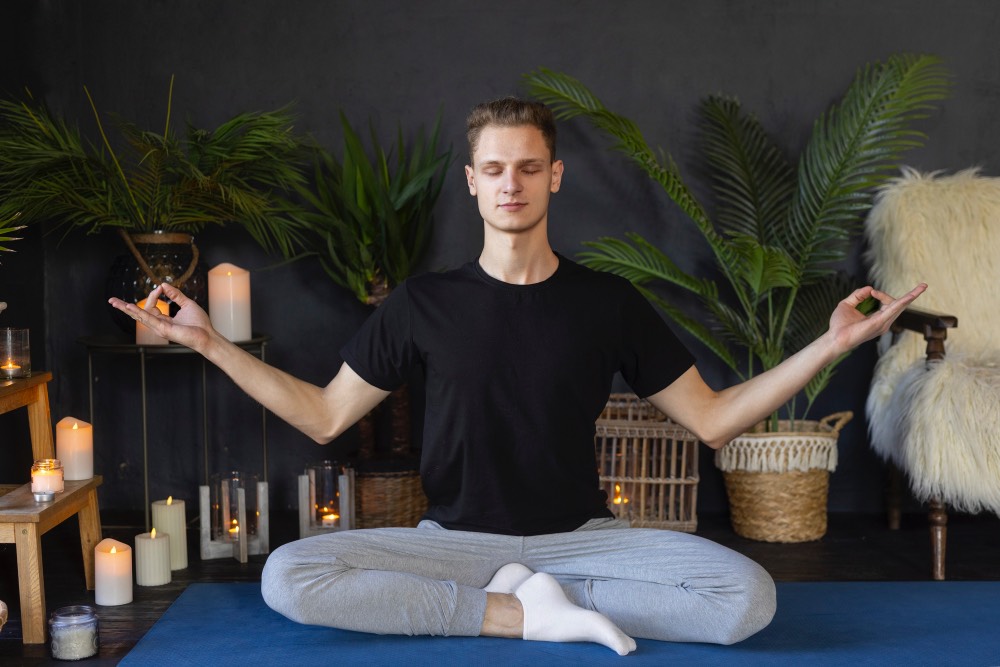
In this practice, you sit comfortably, close your eyes, and repeat a mantra softly in your mind. The repetition is not forced or concentrated. You simply allow the sound to flow naturally, and your mind gradually becomes quieter.
Unlike breath-based methods, Transcendental Meditation does not depend on observing or controlling any physical process. The mantra acts as a clear and steady anchor, which helps the mind stay engaged without strain.
As thoughts arise, you do not try to stop them. You gently return to the mantra without effort. Over time, this process creates a sense of calmness and clarity as the mind settles inward.
Because of its simplicity and natural flow, many people find this method easier to practice regularly.
- uses a mantra as the focus
- does not require breath control
- effortless and natural approach
- provides a clear point of attention
- helps the mind settle gradually
- easier to maintain consistency
Key Differences Between Soham Meditation and Transcendental Meditation
Although both Soham meditation and Transcendental Meditation use sound and aim to calm the mind, the way they guide your attention is very different. Understanding these differences helps you see why one may feel subtle while the other feels more natural and stable.
Method
Soham meditation is based on observing your breath while mentally repeating “So-Ham.”
Transcendental Meditation uses a mantra independently of the breath.
Type of Focus
Soham depends on awareness of breathing, which is a passive process.
Transcendental Meditation provides a clear mental anchor through mantra repetition.
Effort Level
Soham does not require effort, but it relies heavily on maintaining awareness.
Transcendental Meditation is effortless but still keeps the mind gently engaged.
Mental Experience
In Soham, you observe the breath, which can feel subtle and easy to lose track of.
In Transcendental Meditation, the mantra gives the mind something steady to follow.
Beginner Experience
Soham can feel unclear because the focus is not strong enough to hold attention.
Transcendental Meditation often feels easier because the mantra keeps the mind engaged.
Consistency
Soham may be harder to practice regularly due to wandering thoughts.
Transcendental Meditation is generally easier to maintain because of its simplicity.
How Each Method Works
To understand which method suits you better, it’s important to see how each one actually works during practice. Even though both involve a mantra, the experience of using that mantra is very different.
How Soham Meditation Works
In Soham meditation, your attention is linked to your breathing. As you inhale, you mentally repeat “So,” and as you exhale, you repeat “Ham.” This creates a continuous cycle of breath and awareness.
You are not controlling your breath—you are simply observing it. The mantra follows the breath naturally. Over time, this process can help reduce mental activity and bring a sense of calmness.
However, because the method depends on awareness, your attention can easily drift away. You may follow your breath for a few seconds and then get lost in thoughts. When this happens, you gently bring your focus back.
The process works like this:
- observe natural breathing
- mentally repeat “So-Ham”
- follow the breath rhythm
- allow thoughts to come and go
- return attention when distracted
How Transcendental Meditation Works
In Transcendental Meditation, the process is simpler and more direct. You sit comfortably, close your eyes, and repeat a mantra softly in your mind. The mantra is not connected to your breath or any physical process.
You do not try to control your thoughts or concentrate intensely. The repetition is gentle and effortless. As your mind wanders, you simply return to the mantra naturally.
Because the mantra is independent of breathing, it provides a clear and stable point of focus. This helps the mind stay engaged without requiring effort.
The process works like this:
- repeat the mantra gently
- do not force concentration
- allow thoughts to come and go
- return to the mantra naturally
- let the mind settle on its own
Benefits of Soham Meditation
Soham meditation is known for helping the mind become calm, aware, and more connected to the present moment. By combining breathing with a natural mantra, the practice gradually reduces mental activity and creates a sense of relaxation.
One of the main benefits is mental calmness. As you follow your breath and repeat “So-Ham,” the mind slowly moves away from constant thinking. This can help reduce stress and create a peaceful state.
Another benefit is increased awareness. Since the practice is based on observing your breath, it helps you become more conscious of your thoughts and mental patterns. Over time, this awareness can improve how you respond to situations.
Soham meditation also supports emotional balance. As the mind becomes less reactive, it becomes easier to handle stress and emotions without feeling overwhelmed.
However, because the method is subtle and passive, the benefits usually develop gradually and require consistent practice.
- promotes calmness and relaxation
- increases awareness of thoughts
- reduces mental overactivity
- supports emotional balance
- improves present-moment awareness
- helps build a meditation habit
Benefits of Transcendental Meditation
Transcendental Meditation is known for helping the mind become deeply calm, clear, and stable without requiring effort. Because the method gives the mind a clear point of focus through a mantra, the benefits are often easier to experience with regular practice.
One of the main benefits is reduction of overthinking. As the mantra is repeated, the mind gradually moves away from unnecessary thoughts. This creates a sense of mental clarity and ease, making it easier to handle daily stress.
Another key benefit is deep relaxation. Since the method does not involve control or strain, both the mind and body relax naturally. Many people experience a noticeable sense of calmness after practice.
Transcendental Meditation also improves focus and consistency. Because the technique is simple and engaging, it becomes easier to practice daily. Over time, this consistency leads to more stable awareness and emotional balance.
- reduces overthinking and mental noise
- promotes deep calmness and relaxation
- improves focus and clarity
- supports emotional stability
- easy to practice daily
- leads to long-term inner balance
Challenges & Limitations of Both Methods
While both Soham meditation and Transcendental Meditation aim to calm the mind, the experience of practicing them can be quite different—especially for beginners. Understanding these challenges helps you choose a method that is easier to follow consistently.
Challenges of Soham Meditation
Soham meditation is based on breath awareness, which makes it a passive practice. Because of this, the mind does not have a strong point of focus.
Many beginners find that their attention stays on the breath for a few seconds and then drifts into thoughts. This repeated distraction can make the practice feel frustrating or unclear.
Another limitation is that the method can feel too subtle. Since you are only observing the breath, the mind may not stay engaged for long, making it harder to maintain consistency.
- mind wanders easily
- lacks strong engagement
- difficult to maintain attention
- can feel subtle or unclear
- progress may feel slow
Challenges of Transcendental Meditation
Transcendental Meditation is designed to be simple and effortless, so it has very few practical challenges. However, beginners may initially feel unsure about how to repeat the mantra naturally or may expect quick results.
These challenges are usually temporary and improve with regular practice. Since the method is straightforward, most people find it easier to continue over time.
- initial uncertainty about the process
- expectations of immediate results
- requires consistency to see benefits
Why Soham Meditation Can Feel Difficult for Beginners
At first, Soham meditation seems very simple—just follow your breath and repeat “So-Ham.” However, many beginners find it harder than expected when they actually try to practice.
The main reason is that the method is passive. You are not actively doing something—you are simply observing your breath. For an untrained mind, this lack of engagement makes it easy to lose focus.
You may notice this pattern:
- you follow your breath for a few seconds
- your mind starts thinking about something else
- you suddenly realize you got distracted
- you bring your attention back again
This cycle repeats many times. Because of this, beginners often feel like they are not doing meditation correctly, even though this is a natural part of the process.
Another challenge is lack of a strong anchor. The breath is subtle, and the mantra is tied to it. This makes it harder for the mind to stay connected continuously.
The mind naturally prefers something that gives it clear direction without effort. When that is missing, it becomes restless or distracted.
Because of this, beginners often experience:
- frequent mind wandering
- difficulty maintaining awareness
- frustration with distraction
- inconsistency in practice
- feeling that meditation is not working
This highlights an important point:
👉 the mind settles more easily when it has a clear and steady point of focus
A More Balanced and Effective Approach: Transcendental Meditation
After understanding the challenges of Soham meditation, it becomes clear that the mind needs a method that is neither too passive nor too effortful. When a technique is too subtle, the mind wanders. When it is too intense, the mind becomes tired. The most effective approach lies in balance.
This is where Transcendental Meditation provides a more practical solution.
Instead of only observing the breath, this method gives the mind a clear and steady point of focus through a mantra. At the same time, it does not require strong concentration or control. This creates a natural balance between engagement and ease.
The mantra acts as a gentle anchor. As you repeat it, your attention stays connected without effort. You are not forcing your mind to focus, and you are not leaving it without direction. This makes the practice feel more natural and stable.
Because of this balance, Transcendental Meditation becomes:
- easier to understand
- more engaging than passive breath awareness
- less tiring than effort-based techniques
- more consistent in daily practice
Over time, this simplicity allows the mind to settle more deeply without confusion or frustration. The process becomes smooth and sustainable.
Simple Way to Start Transcendental Meditation
If you are looking for a method that is simple, natural, and easy to practice daily, you can begin with a basic mantra-based approach. The goal is not to control your mind, but to gently guide it using sound so it can settle on its own.
You can use the following mantra:
Hare Krishna Hare Krishna
Krishna Krishna Hare Hare
Hare Rama Hare Rama
Rama Rama Hare Hare
Sit comfortably, close your eyes, and begin repeating the mantra softly in your mind. Let the repetition be relaxed and effortless. There is no need to concentrate intensely—just allow the sound to flow naturally.
As you continue, your mind may wander. This is completely normal. Instead of getting frustrated, gently bring your attention back to the mantra. This returning is part of the practice.
Over time, the repetition creates a steady rhythm. This rhythm helps the mind move away from constant thinking and settle into a calmer state.
- sit comfortably and relax your body
- repeat the mantra gently in your mind
- focus on hearing the sound
- do not force concentration
- return to the mantra when distracted
- practice daily for consistency
This approach provides a clear and balanced focus, making meditation easier and more sustainable compared to purely passive techniques.
Conclusion – Choosing the Right Meditation Method
Soham meditation and Transcendental Meditation both aim to calm the mind and improve inner awareness. However, they differ in how they guide your attention.
Soham meditation is based on breath awareness, which can feel subtle and difficult to maintain for beginners. Since it depends on passive observation, the mind may wander frequently, making consistency challenging.
Transcendental Meditation, on the other hand, provides a clear and effortless point of focus through a mantra. This makes it easier to stay engaged without strain and helps the mind settle more naturally.
- soham meditation → passive breath awareness
- transcendental meditation → clear mantra focus
- soham → difficult to maintain attention
- transcendental meditation → easier to practice daily
- soham → mind wanders easily
- transcendental meditation → reduces distraction naturally
If your goal is to build a meditation habit that is simple, consistent, and effective, choosing a method that balances clarity and ease can make a significant difference.
Frequently Asked Questions (FAQ)
1. What is the main difference between Soham meditation and Transcendental Meditation?
Soham meditation is based on observing the breath with a mantra, while Transcendental Meditation uses a mantra independently of breathing for a more direct focus.
2. Which is better for beginners: Soham meditation or Transcendental Meditation?
Many beginners find Transcendental Meditation easier because it provides a clear point of focus without relying on passive awareness.
3. Can I practice both Soham meditation and Transcendental Meditation?
Yes, but most people prefer one method for consistency and better long-term results.
4. Why does Soham meditation feel difficult?
Because it is based on passive breath awareness, the mind can easily lose focus and wander into thoughts.
5. Is Transcendental Meditation easy to practice daily?
Yes, it is designed to be simple and effortless, making it easier to maintain as a daily habit.