
How to Practice Transcendental Meditation (Who Practices It & Step-by-Step Guide)
Introduction – Why People Ask These Questions
Many people search online for questions like “who practices transcendental meditation?” or “how do I practice transcendental meditation?” These questions usually come from curiosity mixed with uncertainty. Meditation often appears mysterious or reserved for a specific group of people.
Some assume transcendental meditation requires secret initiation or advanced spiritual knowledge. Others believe it is only for monks, yogis, or highly spiritual individuals. This confusion prevents many beginners from starting.
In reality, transcendental meditation practice is simple and accessible. It does not require special background, religious conversion, or complicated rituals. The core method is based on steady repetition of a sacred mantra.
Before learning how to practice, it is important to understand who actually practices transcendental meditation. In the next section, we will clarify this clearly.
Who Practices Transcendental Meditation?
Transcendental meditation is practiced by people from all walks of life. It is not limited to monks, spiritual leaders, or people with years of experience. Ordinary individuals with busy schedules often practice it to improve mental clarity and emotional balance.
Students practice transcendental meditation to improve focus and reduce exam stress. Working professionals use it to manage pressure and maintain stability in demanding environments. Homemakers, entrepreneurs, and retirees also practice it as a way to cultivate inner peace.
It is not restricted by religion, nationality, or background. People from different faiths and cultures practice transcendental meditation without conflict. The technique focuses on mantra repetition and inner awareness, not on changing one’s belief system.
In India especially, transcendental meditation practice attracts both young and older individuals who are seeking calmness and deeper clarity. Some begin for stress relief and later continue for spiritual growth.
The important point is this: anyone can practice transcendental meditation. You do not need to qualify for it. If you are willing to sit quietly and repeat the mantra sincerely, you are already eligible.
In the next section, we will explain clearly how to practice transcendental meditation step by step.
How Do I Practice Transcendental Meditation? (Step-by-Step)
Transcendental meditation practice is simple and does not require complicated preparation. The core method involves sitting comfortably and repeating a sacred mantra with gentle attention. You are not forcing the mind to be silent—you are giving it something steady to rest on.
Here is the basic step-by-step method:
1. Sit Comfortably
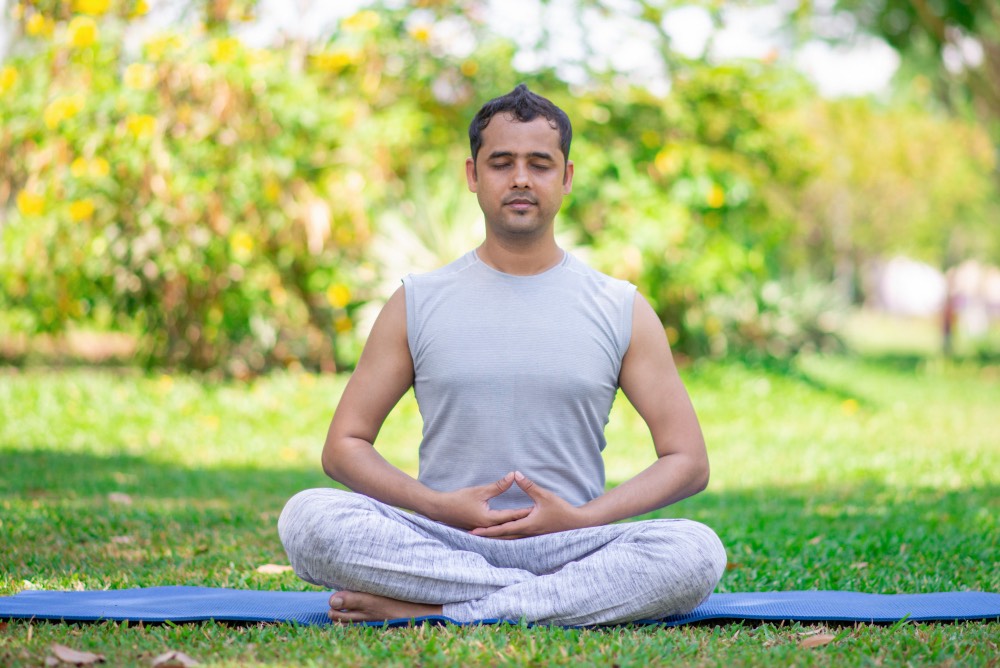
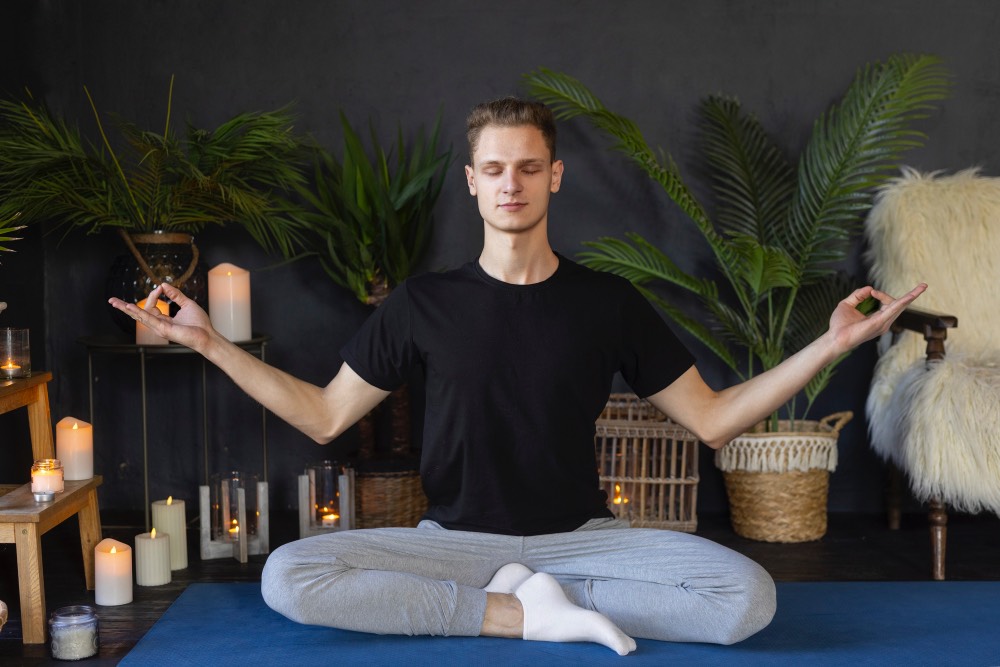
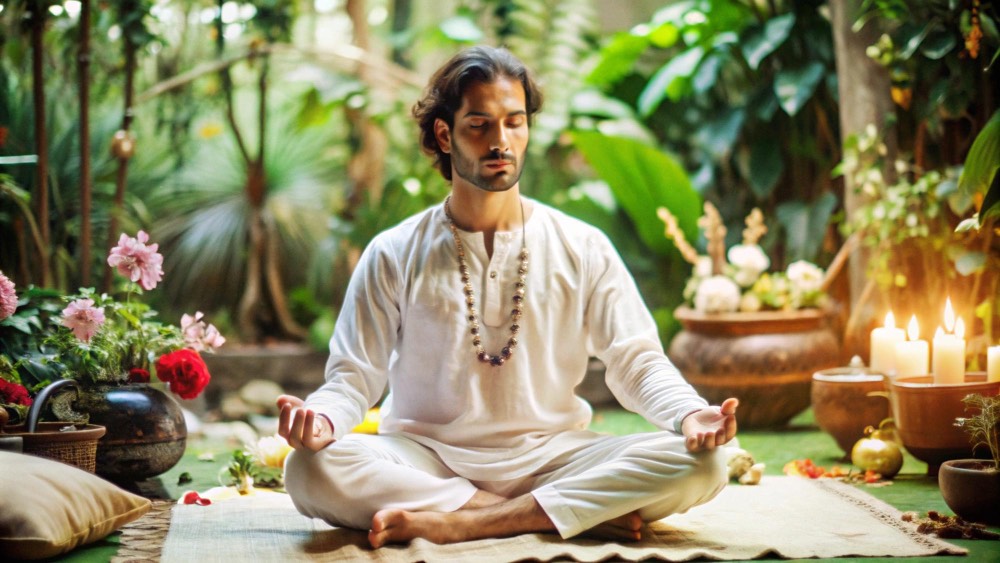
Sit on a chair or on the floor with your back straight but relaxed. Keep your hands resting naturally. Close your eyes gently and allow your body to settle for a few moments.
2. Begin Repeating the Mantra
Softly chant the Hare Krishna Maha Mantra:
Hare Krishna Hare Krishna
Krishna Krishna Hare Hare
Hare Rama Hare Rama
Rama Rama Hare Hare
Chant at a natural pace. Do not rush or strain.
3. Focus on Hearing the Sound
The key to transcendental meditation practice is hearing the mantra clearly. If your mind wanders—which is normal—simply bring your attention back to the sound without frustration.
4. Continue for About 20 Minutes
A common recommendation is around 20 minutes per session, ideally twice a day—morning and evening. Beginners can start with 10 minutes and increase gradually.
5. End Gently
When finished, sit quietly for a minute before opening your eyes. Let the calmness settle naturally.
This is how you practice transcendental meditation. The simplicity is intentional. The repetition gradually absorbs the mind and reduces restlessness without force.
In the next section, we will explain what usually happens during transcendental meditation practice so you know what to expect.
What Happens During Transcendental Meditation Practice?
When you begin transcendental meditation practice, the mind will not immediately become silent. Thoughts will arise, distractions will appear, and sometimes you may even feel restless. This is completely normal. The purpose of the practice is not to stop thoughts forcefully but to gently return attention to the mantra.
In the beginning, you may notice:
- Frequent mind wandering
- Random thoughts from the day
- Planning or remembering past events
- Mild physical restlessness
Each time you notice distraction, simply bring your focus back to the mantra. This returning is part of the technique—not a mistake.
After a few sessions, short moments of calm may appear between thoughts. The repetition of the mantra begins to feel smoother. Emotional reactions may soften gradually. You might notice improved patience or clarity outside of meditation.
Some sessions feel deeper than others. That variation is natural. Transcendental meditation practice works gradually. The results show more clearly in daily life than in dramatic meditation experiences.
The key is consistency. Even on days when the mind feels busy, the practice is still working.
In the next section, we’ll discuss how often you should practice transcendental meditation for steady results.
How Often Should You Practice Transcendental Meditation?
For steady results, transcendental meditation practice is ideally done twice a day—once in the morning and once in the evening. Morning practice helps set a calm and focused tone for the day, while evening practice helps release accumulated stress.
However, consistency matters more than perfection. If twice daily feels difficult in the beginning, start with one session of 15–20 minutes and build gradually. Even a single daily session practiced regularly can create noticeable improvement in clarity and emotional balance.
Morning is traditionally recommended because the mind is fresher and distractions are fewer. Early practice often leads to deeper focus. Evening practice is helpful for unwinding but should be done while still alert—not when extremely tired.
Avoid irregular practice, such as meditating intensely for a few days and then stopping completely. Transcendental meditation works through steady repetition over time. Small daily effort is more powerful than occasional long sessions.
In the next section, we’ll look at common mistakes people make during transcendental meditation practice and how to avoid them.
Common Mistakes in Transcendental Meditation Practice
Although transcendental meditation practice is simple, beginners sometimes complicate it. Small misunderstandings can reduce focus and make the experience feel difficult. Avoiding these mistakes helps maintain steady progress.
One common mistake is trying to force the mind into silence. The goal is not to eliminate thoughts by effort. Instead, you gently replace them with the mantra. Forcing concentration creates tension rather than calmness.
Another mistake is controlling the breath. Transcendental meditation does not require special breathing techniques. The breath naturally slows as the mind settles. Trying to regulate it can create unnecessary strain.
Other common mistakes include:
- Chanting too quickly without hearing clearly
- Repeating the mantra mechanically
- Expecting dramatic experiences immediately
- Practicing inconsistently
- Getting frustrated when the mind wanders
Remember, mind wandering is normal. Returning to the mantra is part of the technique itself. Progress happens gradually through regular repetition.
In the next section, we’ll clarify an important question: Can anyone practice transcendental meditation, regardless of background or belief?
Can Anyone Practice Transcendental Meditation?
Yes, anyone can practice transcendental meditation. It is not restricted by age, profession, religion, or background. You do not need prior spiritual experience or special qualifications to begin.
Students, professionals, homemakers, retirees, and spiritual seekers all practice transcendental meditation. Some begin for stress relief, others for focus, and some for deeper spiritual understanding. The technique itself remains the same.
You do not need to change your beliefs to practice. The method is centered on mantra repetition and inner awareness. It does not demand religious conversion or complex rituals. What matters most is sincerity and consistency.
Even beginners with no meditation background can start immediately. The simplicity of the practice makes it accessible. If you can sit comfortably and repeat the mantra with attention, you can practice transcendental meditation.
In the final section, we will summarize how you can begin your transcendental meditation practice today.
Conclusion – Start Your Transcendental Meditation Practice Today
Transcendental meditation practice is simple, accessible, and open to everyone. You do not need special qualifications, secret knowledge, or advanced training to begin. The method is clear: sit comfortably, repeat the Hare Krishna Maha Mantra, and gently return to it whenever the mind wanders.
People from all walks of life practice transcendental meditation—students, professionals, families, and spiritual seekers. Some begin for stress relief, others for mental clarity, and many continue because they experience deeper inner stability.
You now know how to practice transcendental meditation step by step. You understand what to expect, how often to practice, and what mistakes to avoid. The next step is not more reading—it is practice.
Start with 15–20 minutes daily. Keep it simple. Stay consistent.
And when you are ready to refine your technique and deepen your experience, guided sessions at our Bengaluru Mantra Meditation Centre can support your journey further.
Begin today. Practice sincerely. Let the transformation unfold naturally.