
How To Do Mantra Meditation
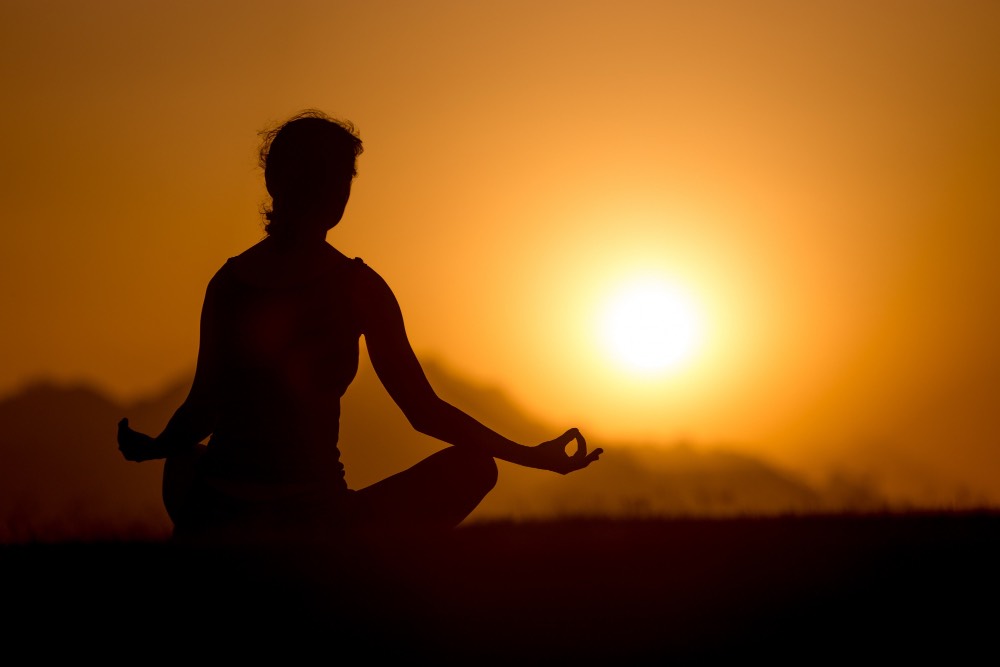
Mantra meditation is a simple and accessible practice that anyone can follow, even if they have never tried meditation before. It does not require special equipment, advanced spiritual knowledge, or long hours of practice. You can begin with just a few minutes a day, in a comfortable place, using a simple mantra and a calm intention. What truly matters in mantra meditation is consistency and correct practice, not perfection. You don’t need to stop your thoughts completely or “do it perfectly” from the beginning. The practice works gradually, as the repeated sound of the mantra helps settle the mind and bring a sense of inner calm over time. This guide focuses entirely on how to do mantra meditation step by step, without unnecessary theory or complexity. By following the simple instructions shared here, you can start practicing immediately and gently make mantra meditation a natural part of your daily routine. With regular practice, even short sessions can lead to noticeable clarity, calmness, and balance in everyday life.
Things You Need Before Starting Mantra Meditation
Before you begin mantra meditation, it’s helpful to prepare a few basic things. You don’t need any special tools or a perfect environment—simplicity is enough. Having a calm setup makes it easier to focus and maintain regular practice without distractions. A comfortable place, a relaxed posture, and a gentle mindset are all you need to get started.
- A quiet place Choose a space where you won’t be disturbed for a few minutes. It doesn’t have to be completely silent—just calm and comfortable.
- A comfortable posture You can sit on the floor with crossed legs or sit on a chair with your feet flat on the ground. Comfort is more important than posture perfection.
- A relaxed mindset Don’t expect instant results or a “blank mind.” Mantra meditation works gradually. Just be willing to sit and practice.
Once these basics are ready, you can begin the actual meditation process.
How to Do Mantra Meditation (Exact Step-by-Step Process)
Mantra meditation follows a simple and repeatable process. You don’t need to force concentration or control your thoughts. Just follow each step calmly and allow the mantra to guide your attention.
Step 1 – Sit Comfortably and Keep Your Spine Straight
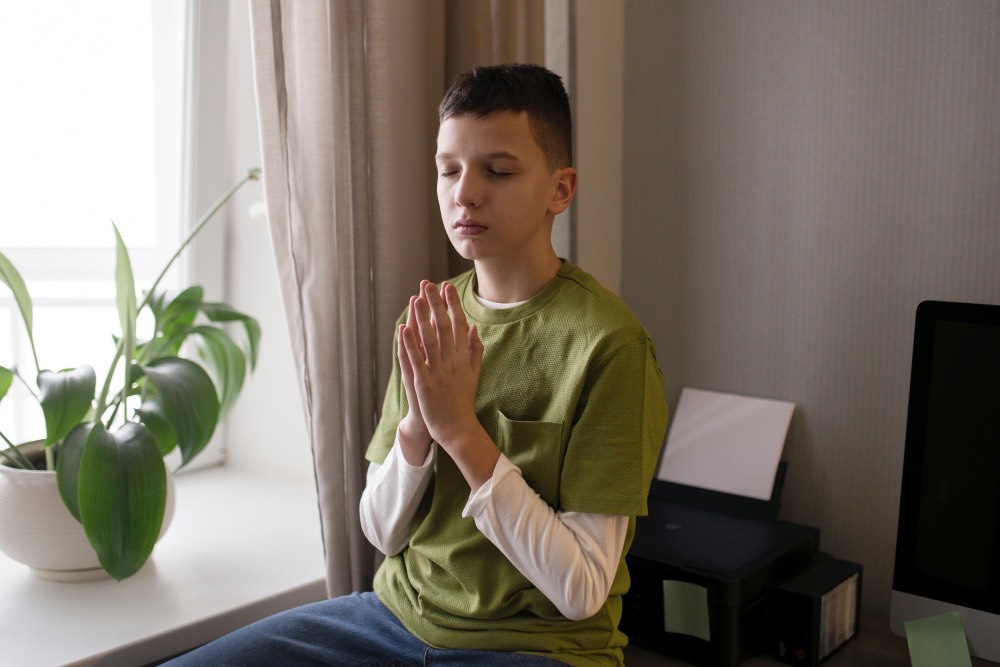
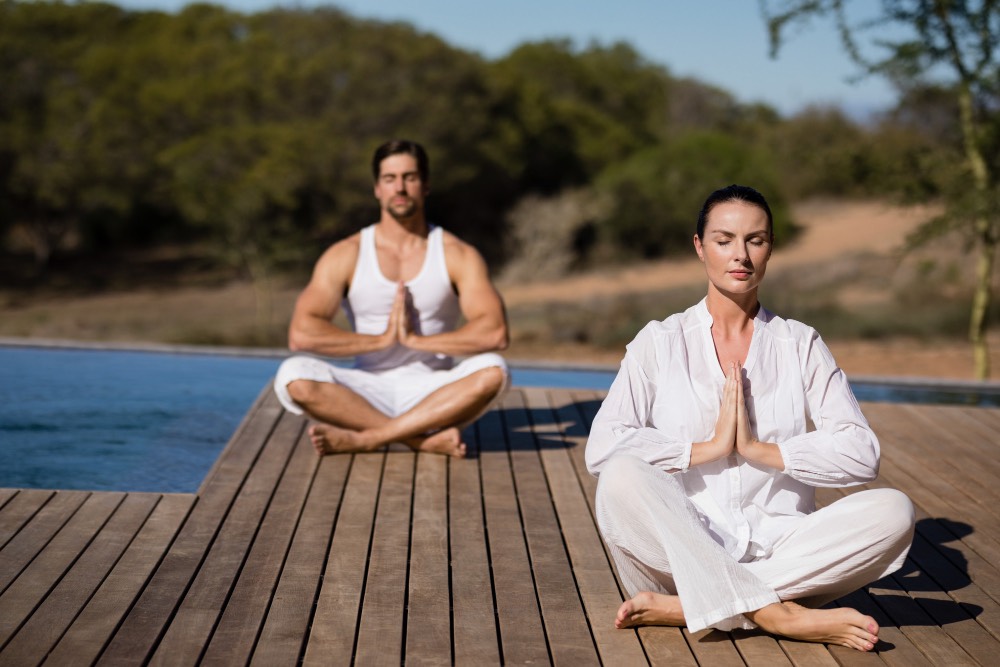
Begin by sitting in a position that feels stable and relaxed. A straight spine helps you stay alert while keeping the body comfortable. Avoid stiffness—your posture should feel natural, not forced.
Keep in mind:
- Sit on the floor with crossed legs or on a chair
- Keep your back naturally straight, not rigid
- Rest your hands on your knees or in your lap
- Relax your shoulders and neck
Step 2 – Close Your Eyes and Relax Your Body
Gently close your eyes to reduce external distractions. Take a moment to release physical tension so your body feels settled before starting the mantra.
To relax your body:
- Notice any tightness in the face, jaw, or shoulders
- Let your muscles soften naturally
- Allow your body to feel still and grounded
Step 3 – Take a Few Natural Breaths
Before starting the mantra, take a few slow and natural breaths. This helps your mind shift from activity to calm awareness. There’s no need for any breathing technique.
Focus on:
- Breathing naturally, without control
- Feeling the breath enter and leave your body
- Letting the breath become smooth and steady
Step 4 – Start Repeating Your Mantra
Now begin repeating your chosen mantra. You may repeat it silently in your mind or softly aloud. Let the repetition be gentle and effortless.
While repeating the mantra:
- Keep a steady and comfortable rhythm
- Do not rush or slow it forcefully
- Allow the mantra to flow naturally
- If helpful, align the mantra with your breath
Repeat This Mantra During Meditation
“Hare Krishna, Hare Krishna
Krishna Krishna, Hare Hare
Hare Rama, Hare Rama
Rama Rama, Hare Hare”
Step 5 – What to Do When Thoughts Distract You
It’s normal for thoughts to arise during mantra meditation. Don’t stop the meditation or judge yourself. Simply return your attention to the mantra whenever you notice distraction.
Remember:
- Thoughts are normal, not a mistake
- Do not fight or suppress thoughts
- Gently bring attention back to the mantra
- Continue repeating without frustration
Step 6 – How Long to Continue
The length of mantra meditation depends on your experience level. Starting small helps build consistency without pressure.
Recommended duration:
- 5 minutes for beginners
- 10–15 minutes for regular practice
- Increase time gradually as comfort grows
Step 7 – Ending the Meditation Properly
When your time is complete, don’t stop abruptly. Gradually ease out of the meditation to maintain the calm state.
To close the practice:
- Stop repeating the mantra slowly
- Sit quietly for 30–60 seconds
- Observe your breath and body
- Open your eyes gently
How Often Should You Practice Mantra Meditation?
Consistency is more important than duration when it comes to mantra meditation. Practicing a little every day helps the mind settle naturally and builds a stable habit over time. Even a few minutes of daily practice can create noticeable calm and clarity.
For best results:
- Practice daily, even if only for a short time
- Choose a duration you can maintain comfortably
- Avoid long gaps between sessions
- Focus on regularity rather than perfection
If you miss a day, don’t feel discouraged. Simply return to your practice the next day without guilt.
Morning vs Evening Mantra Meditation – Which Is Better?
Both morning and evening are suitable for mantra meditation. The best time is the one that fits naturally into your daily routine. Each time has its own advantages depending on your lifestyle and energy levels.
Morning mantra meditation is helpful when:
- Your mind is fresh and less distracted
- You want to set a calm tone for the day
- You can practice before daily responsibilities begin
Evening mantra meditation works well when:
- You want to release stress from the day
- Your schedule is busy in the mornings
- You need mental relaxation before sleep
There is no fixed rule. Choose a time you can follow consistently rather than switching frequently.
Common Problems While Practicing Mantra Meditation (And What to Do)
It is normal to face challenges while practicing mantra meditation, especially in the beginning. Distractions, restlessness, or doubt do not mean you are doing it wrong—they are a natural part of the learning process. Mantra meditation is not about controlling the mind but gently returning to the mantra again and again. With patience and regular practice, these challenges gradually lessen on their own.
Mind wandering frequently
- This is very common
- Gently return attention to the mantra
- Avoid judging or stopping the practice
Feeling sleepy during meditation
- Sit with your spine straight
- Practice at a time when you feel more alert
- Reduce duration slightly if needed
Restlessness or discomfort
- Adjust your posture for comfort
- Use a chair instead of the floor if required
- Allow small movements if necessary
Doubt about doing it correctly
- There is no “perfect” meditation
- Regular repetition of the mantra is enough
- Progress happens naturally with practice
Accept these challenges calmly and continue your practice without forcing results.
How to Make Mantra Meditation a Daily Habit
Mantra meditation becomes a lasting habit when the practice feels simple and manageable. Short, consistent sessions are far more effective than practicing for long hours only once in a while. By keeping the practice easy and regular, mantra meditation can naturally become part of your daily routine.
To build consistency:
- Practice at the same time each day
- Use the same place for meditation
- Start with a short duration and increase slowly
- Focus on showing up, not on results
- Track your practice mentally or in a journal
If motivation drops, remind yourself that even a few minutes of mantra repetition is beneficial.
FAQs – How to Do Mantra Meditation
1. Should the mantra be repeated aloud or silently?
Both methods are effective. Beginners often find silent repetition easier. Soft chanting can also be used if it helps maintain focus.
2. Is correct pronunciation important in mantra meditation?
Clear pronunciation is helpful, but perfection is not required. The intention and regular practice matter more than exact sound accuracy.
3. Can beginners choose any mantra?
Yes. Beginners can start with simple and commonly used mantras. Choose a mantra that feels comfortable and easy to repeat.
4. Can mantra meditation be done lying down?
It is better to practice while sitting, as lying down can lead to sleep. If sitting is uncomfortable, using a chair is a good alternative.
5. What if I miss a day of practice?
Missing a day is not a problem. Simply continue the next day without guilt. Consistency over time is what matters.
Conclusion
Mantra meditation is a simple yet powerful practice that anyone can follow. You don’t need special skills, long hours, or complete silence to begin. By sitting comfortably, repeating a mantra gently, and practicing regularly, you allow calmness and clarity to develop naturally. The key to success in mantra meditation is practice over perfection. Start small, stay consistent, and let the process unfold at its own pace. With time, mantra meditation can become a steady part of your daily routine, helping you stay centered and peaceful throughout the day. If you’re ready, begin today—even a few minutes of sincere practice can make a meaningful difference.
“Hare Krishna, Hare Krishna
Krishna Krishna, Hare Hare
Hare Rama, Hare Rama
Rama Rama, Hare Hare”