Can Transcendental Meditation Be Self-Taught?
Many people searching online ask questions like, “Can transcendental meditation be self taught?” or “Can I do transcendental meditation on my own?” These questions usually come from genuine curiosity. People are interested in meditation but are unsure whether they need formal training, special initiation, or a certified instructor before beginning.
There is also confusion because some meditation systems are taught through structured programs. This leads many beginners to assume that transcendental meditation cannot be practiced independently. As a result, they hesitate to start, even though they feel drawn toward it.
The truth is simple: mantra-based transcendental meditation, especially through the Hare Krishna Maha Mantra, is accessible to everyone. You do not need complex rituals or secret instructions to begin chanting. The practice is based on sincere repetition of sacred sound.
At the same time, guidance can deepen understanding and improve focus. But the first step does not require permission or formal enrollment. If you have the mantra and the willingness to chant, you can begin immediately.
In the next section, we’ll answer clearly: Can you truly practice transcendental meditation on your own?
Can I Do Transcendental Meditation On My Own?
Yes, you can practice transcendental meditation on your own—especially when it is mantra-based. The essence of transcendental meditation is the repetition of sacred sound with attention. If you know the mantra and chant sincerely, you are already practicing.
Many people hesitate because they believe meditation must be supervised. While structured courses can help refine technique, they are not a barrier to beginning. The Hare Krishna Maha Mantra is openly available and does not require secrecy or initiation to start chanting. Anyone can begin at home, in a quiet space, with simple focus.
Practicing alone can even be beneficial in the beginning. It allows you to develop personal discipline and build a daily routine. Consistency matters more than perfection. Even 5 to 10 minutes of attentive chanting daily can gradually stabilize the mind.
However, there are common beginner mistakes when practicing alone:
- Chanting too quickly
- Letting the mind drift without gently returning
- Treating the mantra mechanically
- Inconsistent practice
This is where occasional guidance becomes valuable. Attending classes or learning from experienced practitioners can deepen understanding and improve quality. But it is important to remember: you do not need to wait for perfect conditions to start.
If you feel drawn toward transcendental mantra meditation, you can begin today. In the next section, we’ll address another common question: Can you do transcendental meditation before bed?
Can I Do Transcendental Meditation Before Bed?
Yes, you can do transcendental meditation before bed. In fact, chanting the Hare Krishna Maha Mantra at night can help calm the mind after a busy day. The repetition of sacred sound gradually slows mental activity and reduces restlessness. Many people find that evening chanting improves sleep quality.
However, early morning is traditionally considered the most powerful time for mantra meditation. The mind is fresher, distractions are fewer, and the environment is quieter. Morning chanting often brings deeper focus and stronger spiritual effect.
If you choose to chant before bed, keep a few things in mind:
- Sit upright rather than lying down
- Avoid chanting when extremely sleepy
- Maintain attentive pronunciation
- End with a calm and grateful mindset
The key is consistency, not timing perfection. If night is the only time available, it is better to chant before bed than not at all. Even a short session of focused mantra repetition can settle the mind and bring emotional balance.
In the next section, we’ll answer another practical question: Can you do transcendental meditation lying down?
Can You Do Transcendental Meditation Lying Down?
Technically, yes—you can chant while lying down. However, it is not the recommended posture for transcendental mantra meditation. The purpose of meditation is to remain alert and attentive. When you lie down, the body naturally prepares for sleep, which can reduce focus and sincerity.
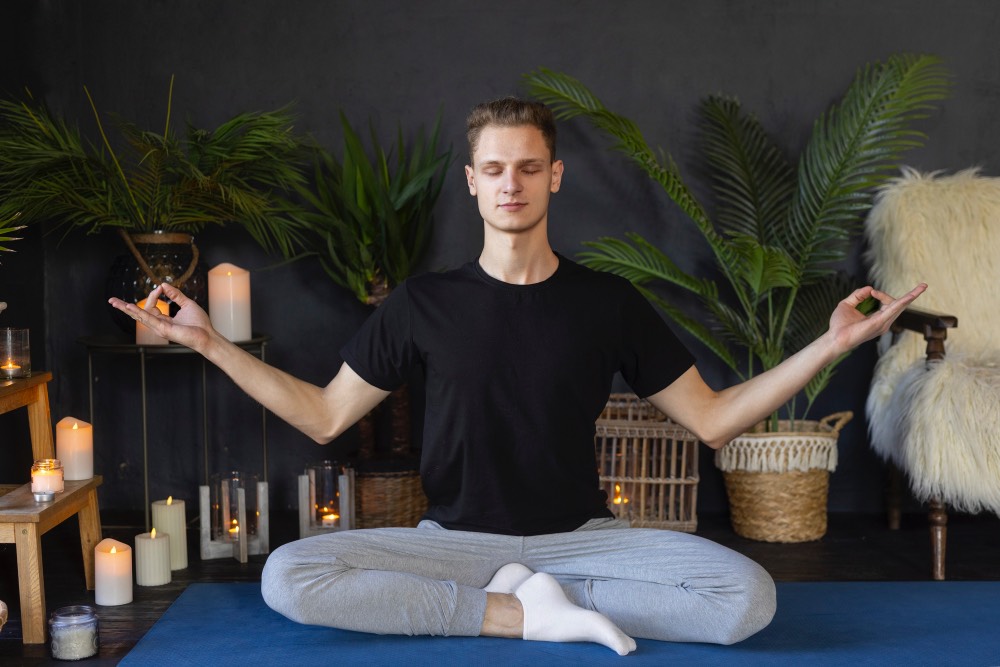
Sitting upright helps maintain both physical and mental alertness. A straight but relaxed posture supports deeper concentration and steady breathing. This makes it easier to hear each repetition of the mantra clearly and avoid drifting into drowsiness.
Lying down may be acceptable in certain situations:
- If someone has health limitations
- If sitting causes discomfort or pain
- If chanting softly before sleep
But in general, sitting is preferable because it signals intention. Meditation is not meant to be passive relaxation alone—it is conscious engagement with sacred sound. The more alert you are, the deeper the experience becomes.
The most important factor is attentiveness. Whether sitting on a chair or the floor, posture should support awareness rather than sleepiness.
Next, let’s address another common search question: Does location matter? Can transcendental meditation be practiced anywhere, whether in Canada, Canberra, or anywhere else?
Does Location Matter? Can You Practice Transcendental Meditation Anywhere in India?
Many people search for transcendental meditation along with city names because they assume it must be learned only at a specific center. In reality, mantra-based transcendental meditation is not restricted by location. Whether you are in Bengaluru, Mumbai, Delhi, Hyderabad, Chennai, or a small town, the practice remains the same.
The Hare Krishna Maha Mantra does not depend on geography. Sacred sound works wherever it is chanted sincerely. You do not need a special environment, expensive setup, or isolated retreat. A quiet corner in your home is enough to begin.
In India especially, access to spiritual knowledge is widely available. Temples, online classes, satsangs, and local meditation groups can provide support. But the first step does not require travel or formal enrollment.
You can practice transcendental mantra meditation:
- At home before work
- Early morning during Brahma-muhurta
- In the evening after returning from office
- During travel (mentally chanting)
- In a temple or meditation center
The power of meditation lies in the mantra itself, not the city you live in. If you are sincere, you can start wherever you are in India.
What You Really Need to Start Transcendental Meditation Today
Many beginners assume they need special training, expensive courses, or complex rituals to begin transcendental meditation. In reality, starting mantra-based transcendental meditation is simple. The process is not complicated—it is consistent and sincere repetition of sacred sound.
You do not need advanced philosophy or perfect concentration on day one. You only need a willingness to chant attentively and regularly. The power lies in steady practice, not in complicated preparation.
Here is what you actually need to begin:
- The Hare Krishna Maha Mantra
- A quiet space at home
- 5 to 10 minutes of uninterrupted time
- A comfortable upright sitting posture
- A sincere intention to focus
That is enough to start.
Optional but helpful additions include japa beads to count repetitions and guidance from experienced practitioners to refine technique. However, these are supportive tools—not barriers.
The most important requirement is consistency. Even short daily chanting gradually stabilizes the mind and purifies consciousness. You do not need to wait for the “perfect time” to begin.
Why Guidance Still Matters
Although transcendental mantra meditation can be started on your own, proper guidance can greatly deepen your experience. Self-practice builds discipline, but structured learning improves quality. Many beginners chant sincerely but unknowingly make small mistakes that reduce focus or consistency.
For example, some people chant too fast, treat the mantra mechanically, or allow the mind to drift without gently returning attention. Over time, this can make meditation feel dry or repetitive. With proper instruction, chanting becomes attentive, meaningful, and spiritually nourishing.
Guidance also helps with:
- Correct pronunciation of the mantra
- Maintaining steady daily practice
- Understanding the deeper meaning of chanting
- Overcoming distraction and laziness
- Developing a devotional mindset
In India, spiritual learning has traditionally happened through association. Being connected to experienced practitioners strengthens motivation and clarity. While you can begin immediately at home, learning from a genuine source helps you progress faster and avoid confusion.
If you are serious about experiencing the full depth of transcendental mantra meditation, attending guided sessions at our Bengaluru Transcendental Meditation Centre can support your journey.
Conclusion – Yes, You Can Start Today
So, can transcendental meditation be self-taught? Yes. Can you do transcendental meditation on your own? Yes. Can you practice it before bed or at home in India? Absolutely.
Mantra-based transcendental meditation is simple, accessible, and universal. You do not need secrecy, expensive programs, or complicated rituals to begin. If you know the Hare Krishna Maha Mantra and chant it sincerely, you have already taken the first step.
At the same time, while you can start alone, proper guidance helps you go deeper. The difference between casual chanting and transformative meditation often lies in attentiveness, understanding, and consistency. With the right support, your practice becomes more focused, steady, and spiritually enriching.
If you are looking not just for stress relief but for deeper clarity and spiritual growth, transcendental mantra meditation offers a practical path. You can begin today at home with just a few minutes of sincere chanting.
And when you are ready to deepen your experience, we welcome you to join guided sessions at our Bengaluru Transcendental Meditation Centre and experience the full power of the Hare Krishna Maha Mantra.