
Sahaj Samadhi Meditation: Steps, Benefits & Complete Beginner Guide
Introduction – Why People Search for Sahaj Samadhi Meditation
Many people today are searching for simple ways to calm their mind and reduce stress. This is why terms like “sahaj samadhi meditation,” “sahaj samadhi meditation steps,” and “sahaj samadhi meditation benefits” are becoming increasingly popular. With busy lifestyles and constant mental activity, people are looking for techniques that can help them relax without complexity.
Sahaj Samadhi meditation is often introduced as an effortless method that uses a mantra to help the mind settle. Because of this, many beginners are curious about how it works and whether it is easy to practice daily. However, while the concept sounds simple, people often have questions about the correct steps and how to follow the method properly.
Understanding the practice clearly is important before starting. This helps you avoid confusion and makes it easier to build a consistent meditation routine.
- people search for simple meditation methods
- focus on reducing stress and overthinking
- curiosity about mantra-based techniques
- interest in easy and effortless practices
- beginners want clear steps
- consistency is a common challenge
What Is Sahaj Samadhi Meditation?
Sahaj Samadhi meditation is a mantra-based meditation technique that aims to help the mind settle into a calm and relaxed state. The word “Sahaj” means natural or effortless, and “Samadhi” refers to a deep state of meditation or inner stillness. Together, the term suggests a practice that allows the mind to experience calmness in a natural way.
This method is commonly taught through the Art of Living Foundation, where practitioners are given a mantra and guided on how to use it during meditation.
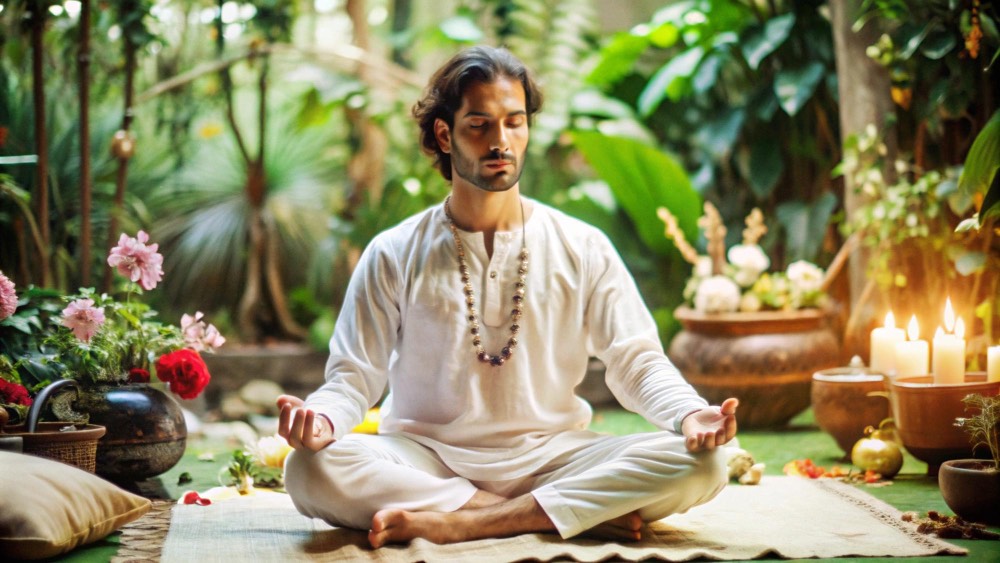
In practice, you sit comfortably, close your eyes, and repeat the mantra internally. The repetition helps the mind move away from constant thinking and gradually become quieter. Over time, this can create a sense of relaxation and mental clarity.
However, unlike completely free-flowing practices, Sahaj Samadhi is usually learned through a structured approach. This means you are guided on how to use the mantra correctly, and the experience can depend on how well the method is followed.
- uses a mantra for meditation
- aims for natural mental calmness
- taught through guided programs
- involves internal repetition
- depends on proper understanding of the method
- can feel structured for beginners
How Sahaj Samadhi Meditation Works
Sahaj Samadhi meditation works through gentle mantra repetition, which helps the mind move away from constant thinking and settle into a quieter state. Instead of forcing concentration or controlling thoughts, the practice allows the mind to relax gradually.
When you sit for meditation, you close your eyes and begin repeating a mantra internally. The mantra acts as a subtle point of focus. As you continue, your attention shifts from active thinking to the sound of the mantra. This shift helps reduce mental activity and creates a sense of calmness.
However, the way this process unfolds often depends on how the technique is learned and applied. Since Sahaj Samadhi is usually taught through structured guidance, you are expected to follow certain instructions. This can help beginners understand the process, but it can also make the practice feel dependent on the method.
As thoughts come during meditation, you are not supposed to stop them. Instead, you gently return to the mantra. Over time, this repeated process allows the mind to settle more deeply.
The practice works through:
- internal repetition of a mantra
- shifting attention away from thoughts
- allowing the mind to relax naturally
- returning to the mantra when distracted
- following the learned method
While the concept is simple, the experience can vary depending on how comfortably you follow the technique.
Sahaj Samadhi Meditation Steps (Step-by-Step Guide)
Step 1: Choose a Quiet and Comfortable Place
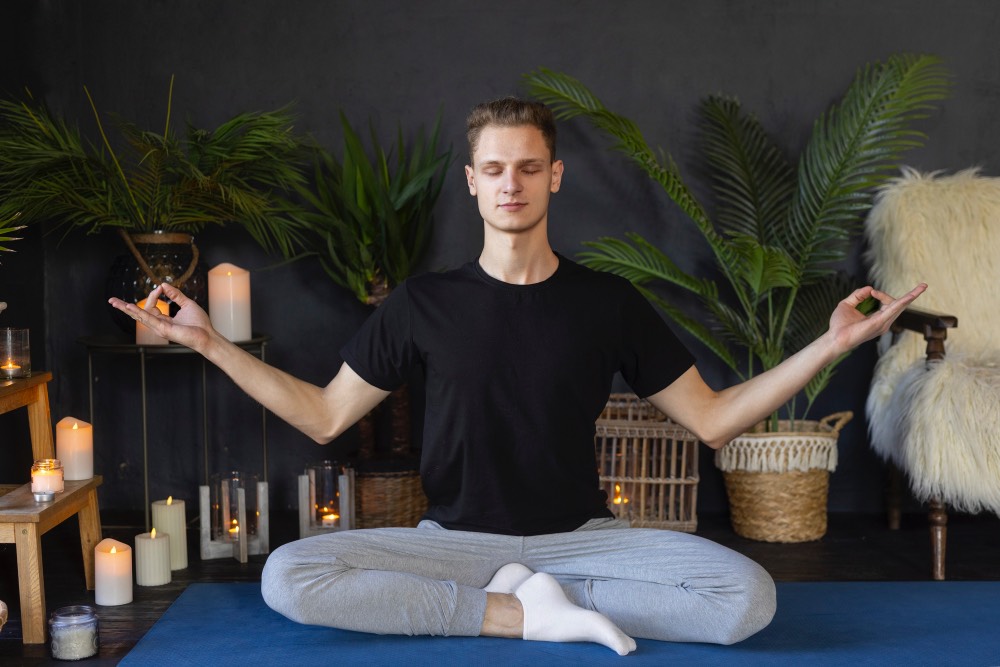
Start by selecting a calm environment where you will not be disturbed. A quiet space helps your mind settle more easily. Sit in a comfortable position—either on a chair or on the floor. Keep your posture relaxed but stable so your body does not become a distraction.
Step 2: Relax Your Body and Close Your Eyes
Gently close your eyes and take a moment to relax your body. Notice any tension in your shoulders, face, or neck. Do not try to force relaxation—just allow your body to loosen naturally. This helps prepare your mind for meditation.
Step 3: Begin Repeating the Mantra
Start repeating your mantra softly in your mind. The repetition should be gentle and effortless. You are not trying to concentrate hard—just let the sound flow naturally. The mantra acts as a simple point of focus.
Step 4: Allow Thoughts to Come and Go
As you continue, thoughts will naturally arise. You may think about your day, plans, or random things. This is completely normal. Do not try to stop these thoughts or feel frustrated.
Step 5: Gently Return to the Mantra
Whenever you notice that your mind has wandered, gently bring your attention back to the mantra. This “returning” is the most important part of the practice. There is no need to force or control—just come back naturally.
Step 6: Let the Mind Settle Naturally
With continuous repetition, the mantra creates a natural rhythm. This helps your mind move away from constant thinking and gradually become calmer. Some moments may feel peaceful, while others may feel distracted—both are part of the process.
Step 7: End the Meditation Gently
After practicing for some time, do not rush to finish. Slowly bring your awareness back, take a deep breath, and gently open your eyes. Allow yourself a few moments before returning to your routine.
Key Understanding
Sahaj Samadhi meditation is not about forcing concentration or achieving a perfect state. It is about allowing the mind to settle naturally through mantra repetition.
However, because the method is often taught through structured instruction, beginners may sometimes feel unsure if they are doing it correctly. This is a common experience and improves with practice.
Sahaj Samadhi Meditation Benefits
Sahaj Samadhi meditation is known for helping the mind become calm, relaxed, and less burdened by constant thinking. By repeating a mantra and allowing the mind to settle naturally, the practice can create a sense of mental ease over time.
One of the main benefits is reduction in stress and mental tension. As the mind moves away from continuous thoughts, the body also begins to relax. This can help you feel lighter and more at ease in daily life.
Another benefit is improved mental clarity. When the mind is less crowded with thoughts, it becomes easier to think clearly and stay focused. Some practitioners also experience better emotional balance, as they become less reactive to stress and situations.
The practice can also support regular meditation habits. Since it provides a structured way to meditate, beginners may find it easier to understand how to start. However, the benefits depend on consistency and how comfortably the method is followed.
- reduces stress and mental pressure
- promotes relaxation and calmness
- improves mental clarity
- supports emotional balance
- helps build a meditation routine
- encourages regular practice
Sahaj Samadhi Meditation & Art of Living
Sahaj Samadhi meditation is most commonly taught through the Art of Living Foundation as part of their structured meditation programs. These programs are designed to introduce participants to the technique in a guided and systematic way.
In these courses, practitioners are usually given a specific mantra and instructions on how to use it during meditation. The teaching is done step by step, often with the support of a trained instructor. This approach helps beginners understand the process clearly and gives them a structured starting point.
The idea behind this method is that proper guidance can make it easier to learn meditation correctly. For people who prefer a guided and organized approach, this can be helpful. It removes some of the initial confusion about how to begin.
However, because the method is taught through a structured system, some people may feel that their practice becomes dependent on following instructions. Instead of simply experiencing meditation, they may focus on whether they are applying the technique correctly.
This creates a key difference in experience:
- relies on guided learning
- taught through structured programs
- provides step-by-step instruction
- helpful for beginners who want clarity
- may feel method-dependent
- requires learning the technique properly
Challenges & Limitations of Sahaj Samadhi Meditation
While Sahaj Samadhi meditation is introduced as a simple and effortless practice, many beginners face certain challenges when they try to follow it regularly. Understanding these limitations helps you approach the method with realistic expectations.
One of the main challenges is dependence on learning the technique correctly. Since the practice is usually taught through structured programs, beginners may feel unsure if they are following it properly. This can create a sense of doubt during meditation.
Another limitation is that the practice can feel technique-based rather than completely natural. When you focus too much on doing it the “right way,” it can add subtle pressure instead of relaxation. This may affect how easily the mind settles.
Some people also find it difficult to stay consistent. If the method feels unclear or dependent on instruction, it becomes harder to practice independently. Over time, this can reduce the benefits.
Additionally, the experience can vary from person to person. Since the method depends on how comfortably you apply the instructions, results may not feel the same for everyone.
- depends on structured learning
- can create confusion for beginners
- may feel technique-driven
- consistency can be challenging
- results vary based on practice
- requires understanding the method properly
Why Sahaj Samadhi Meditation Can Feel Difficult for Beginners
Sahaj Samadhi meditation is often described as effortless, but many beginners find it more challenging than expected. The difficulty usually comes not from the idea itself, but from how the practice is experienced in reality.
One of the main reasons is uncertainty about the process. Since the method is taught with specific instructions, beginners may keep wondering if they are doing it correctly. This constant checking can keep the mind active instead of relaxed.
Another reason is that the practice can feel partly structured and partly effortless. You are told to relax and allow the mind to settle, but at the same time, you are also expected to follow a certain way of repeating the mantra. This can create confusion between effort and ease.
Some beginners also experience lack of natural flow. Instead of simply meditating, they may feel like they are applying a technique. This makes it harder for the mind to settle naturally, especially in the beginning.
Because of this, many people face:
- confusion about whether they are doing it correctly
- difficulty balancing effort and relaxation
- mental activity due to overthinking the process
- inconsistency in practice
- slow progress in the beginning
These challenges highlight an important point:
👉 the mind settles best when the method feels clear, simple, and natural
A Simpler and More Natural Approach: Mantra-Based Meditation
After understanding the challenges of Sahaj Samadhi meditation, one thing becomes clear—the mind works best with a method that is simple, clear, and effortless to follow. When there is less confusion and no pressure to “do it correctly,” meditation becomes more natural.
This is where a simpler form of mantra-based meditation can be helpful. Instead of relying on structured instructions or worrying about technique, you simply repeat a mantra and allow your mind to follow it. There is no need to analyze, control, or check whether you are doing it right.
The mantra acts as a steady and clear anchor. As you repeat it, your attention naturally stays engaged. This reduces distraction without creating effort. Unlike methods that feel too structured or too vague, this approach gives the mind exactly what it needs—a balanced point of focus.
Because of this simplicity, the practice becomes:
- easy to understand
- natural to follow
- free from confusion
- less dependent on instructions
- easier to maintain daily
Over time, as the mind becomes familiar with the repetition, it starts to settle on its own. This creates a sense of calmness and clarity without forcing concentration.
Simple Mantra Meditation You Can Start Today
If you are looking for a method that is clear, effortless, and easy to practice daily, you can start with a simple mantra-based meditation. The goal is not to control your mind, but to gently guide it using sound so it can settle naturally.
You can use the following mantra:
Hare Krishna Hare Krishna
Krishna Krishna Hare Hare
Hare Rama Hare Rama
Rama Rama Hare Hare
Sit comfortably, close your eyes, and begin repeating the mantra softly in your mind. Let the repetition be relaxed and natural. There is no need to concentrate intensely—just allow the sound to flow.
As you continue, your mind may wander. This is completely normal. Instead of getting frustrated, simply bring your attention back to the mantra gently. This returning is part of the process.
Over time, the repetition creates a steady rhythm. This rhythm helps the mind move away from constant thinking and settle into a calmer state.
- sit comfortably and relax your body
- repeat the mantra gently in your mind
- focus on hearing the sound
- do not force concentration
- return to the mantra when distracted
- practice daily for consistency
This approach removes confusion and allows meditation to become a natural and effortless experience.
Conclusion – Simplicity Makes Meditation Sustainable
Sahaj Samadhi meditation offers a structured way to experience calmness through mantra repetition. It can be helpful for beginners who prefer guided learning and clear instructions. However, for some people, the dependence on technique and the need to follow instructions can make the practice feel less natural.
Meditation becomes truly effective when it is simple, consistent, and easy to follow without confusion. When the mind is not burdened by trying to “do it correctly,” it settles more naturally.
This is why many practitioners gradually move toward simpler forms of mantra-based meditation. By focusing on a single sound without structure or pressure, the mind finds a natural rhythm that leads to deeper calmness and clarity.
- sahaj samadhi → structured and guided
- simple mantra meditation → natural and effortless
- sahaj samadhi → depends on technique
- simple mantra meditation → easy to sustain
- sahaj samadhi → may create confusion
- simple mantra meditation → clear and simple
If your goal is to build a meditation habit that feels natural and consistent, a simpler approach can often be more effective in the long run.
Frequently Asked Questions (FAQ)
1. What is Sahaj Samadhi meditation?
Sahaj Samadhi meditation is a mantra-based meditation technique that aims to help the mind settle into a calm and relaxed state through internal repetition.
2. How to practice Sahaj Samadhi meditation?
Sit comfortably, close your eyes, and repeat a mantra gently in your mind. Allow thoughts to come and go, and return to the mantra naturally.
3. What are the benefits of Sahaj Samadhi meditation?
It helps reduce stress, improve mental clarity, and promote relaxation and emotional balance.
4. Is Sahaj Samadhi meditation suitable for beginners?
Yes, it can be suitable, especially when learned through guided programs. However, some beginners may find it confusing without proper understanding.
5. Is there an easier alternative to Sahaj Samadhi meditation?
Yes, simpler mantra-based meditation methods can be easier because they remove structure and allow the mind to settle naturally.